Vecht (NL)/Vechte (DE)
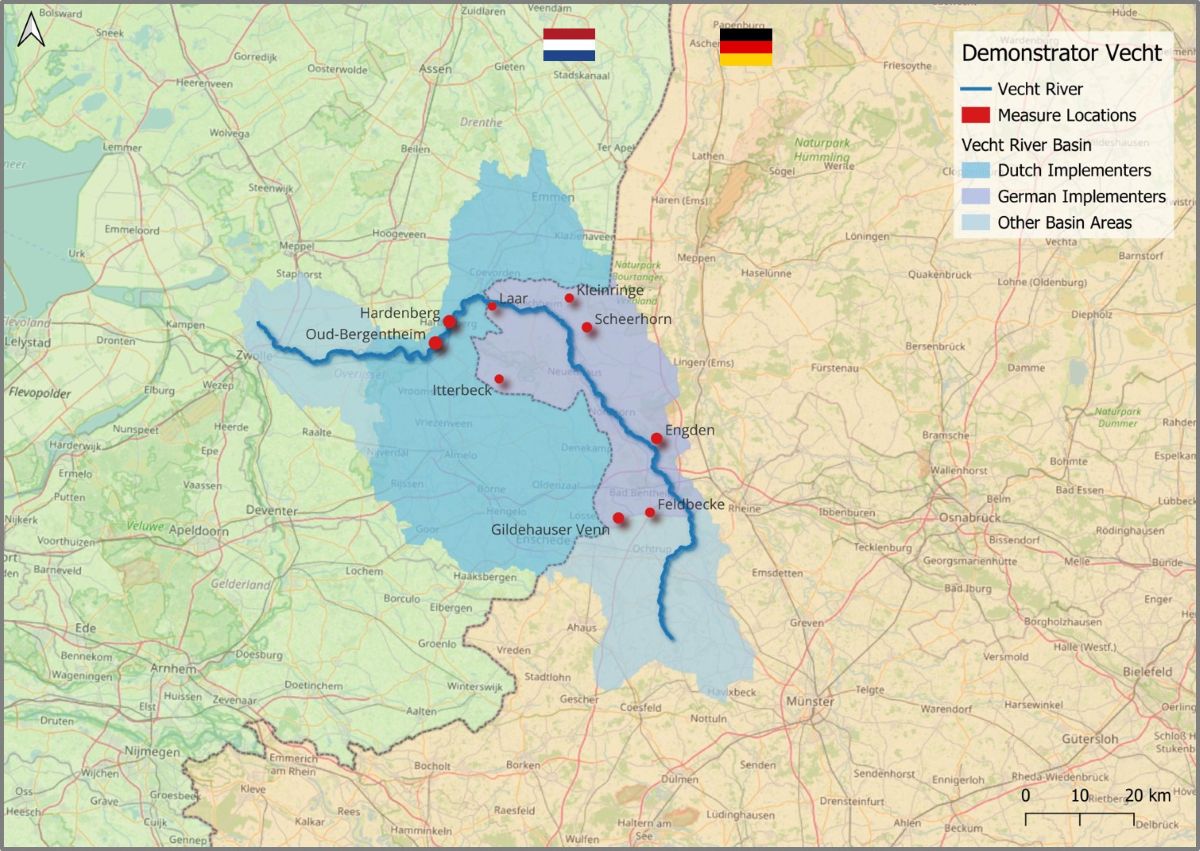
The Vecht River Basin is a transboundary lowland river system shared between the Netherlands and Germany, home to more than two million people. The basin is characterised by rural landscapes interspersed with medium-sized cities and is highly valued for recreation, tourism, agriculture and nature.
Historically, the river and its valley were heavily modified, aiming to ‘get rid of water quickly’. Extensive drainage of peatlands, canalisation and straightening of the river, and reduction of floodplains significantly reduced the basin’s natural water retention capacity. With climate change, flood risk has intensified: water from rainfall travels very fast through the basin. While droughts present a new challenge for the area, with base flows being very low during dry summers.
Key challenges
- Flood risk due to rapid runoff and limited retention capacity.
- Increasing droughts and water scarcity, particularly in summer.
- Poor water quality linked to nutrient and agrochemical runoff.
- Loss of natural floodplains, peatlands and wetlands.
- Differences in governance and water management traditions in Germany and the Netherlands
Sponge measure implementation in the Vecht/e
Naturschutzstiftung Grafschaft Bentheim (DE)
- Rewetting of grassland
- Rewetting of forest areas
- Rewetting of meadow bird sanctuaries
Landkreis Grafschaft Bentheim (DE)
- Weirs and trench bottom ramps in agricultural area
- Floodplain restoration
Vechteverband (DE)
- Weirs and trench bottom ramps in agricultural area
Gemeente Hardenberg (NL)
Waterschap Vechtstromen (NL)
- Weirs in agricultural area
- Renaturing Vechte river bank
Demonstrator Goals
Τhe Vecht demonstrator aims to support a transition towards a more sponge-like river basin, where water is retained in soils, groundwater, rivers and landscapes for longer, helping to buffer both floods and droughts.
This includes:
- Restoring natural retention capacity of rivers and floodplains.
- Rewetting peatlands, forests and grasslands.
- Retaining water in agricultural areas through small-scale measures like weirs.
- Integrating sponge measures into urban climate adaptation.
- Strengthening transboundary cooperation and shared learning.
Progress so far
Stakeholders and the process:
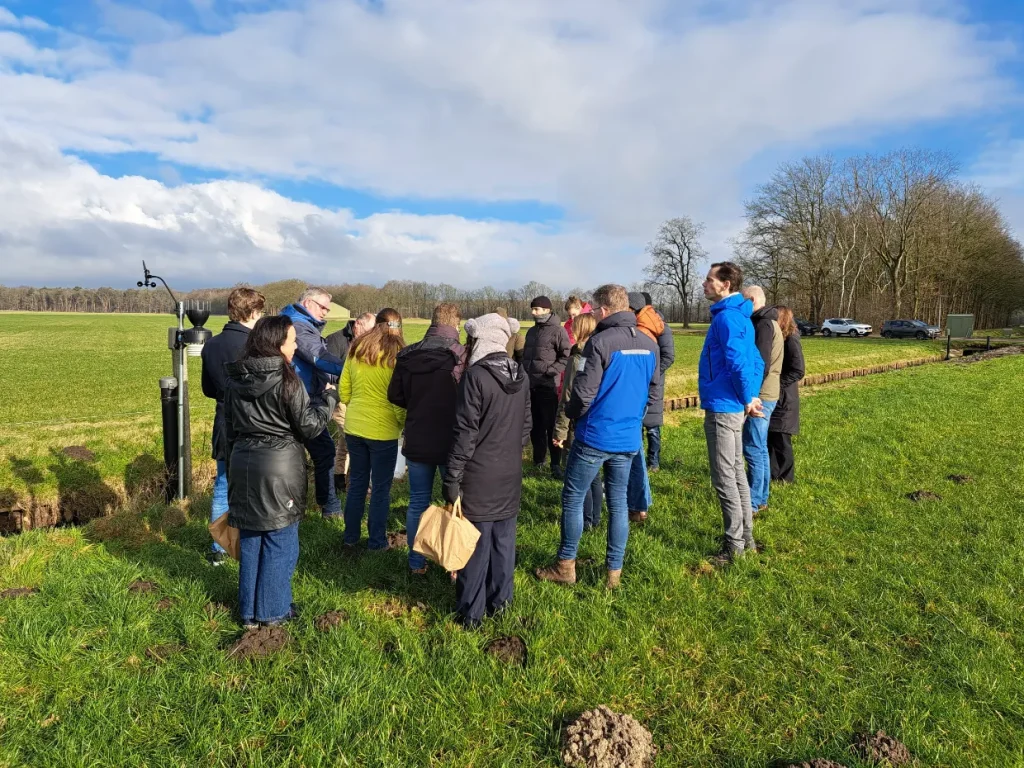
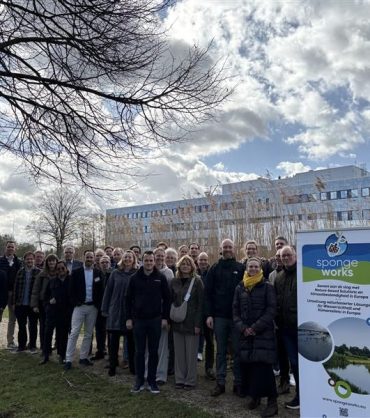
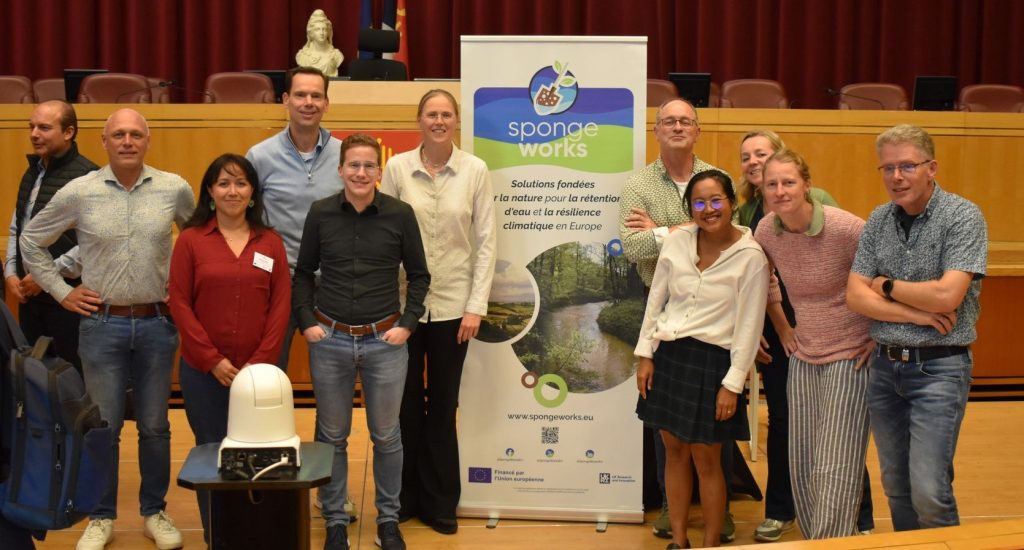
- Highly successful kick-off with more than 50 participants.
- Landscape strategy co-creation meetings starting in Oct. 2025
- Citizen engagement has started through the launch of a participatory GIS survey.
Physical sponge measures:
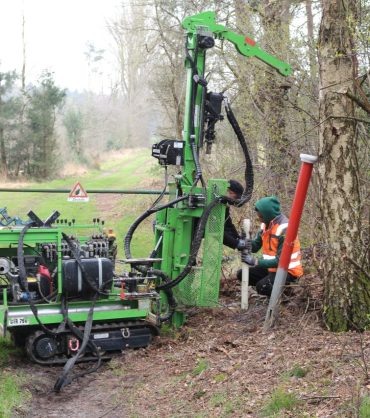
- 9 measures started; 1217 hectares work in progress
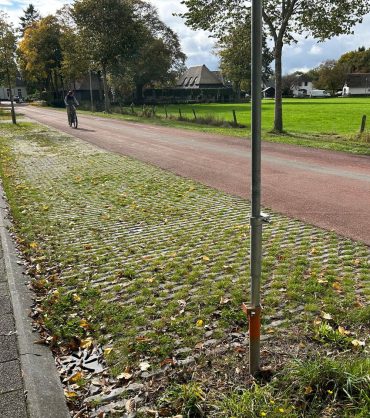
- Climate resilient bicycle route completed in Hardenberg Municipality
The work builds on long-standing initiatives such as ‘Room for the Vecht’ and contributes to the development of an updated, climate-resilient sponge strategy for the entire basin.
Vecht_e news & videos:
Videos: