

Collaborative planning for the implementation of sponge measures lies the heart of SpongeWorks. Residents from the three rivers basins in Greece, France, the Netherlands and Germany are taking an active role in shaping landscapes that can better withstand extreme weather events such as droughts and floods by providing feedback about their region. The project launched a public survey aimed at gathering insights on how extreme weather events—such as Storm Daniel that occurred in Greece just two years ago—are affecting everyday life, and to explore local knowledge and preferred solutions for building long-term resilience.
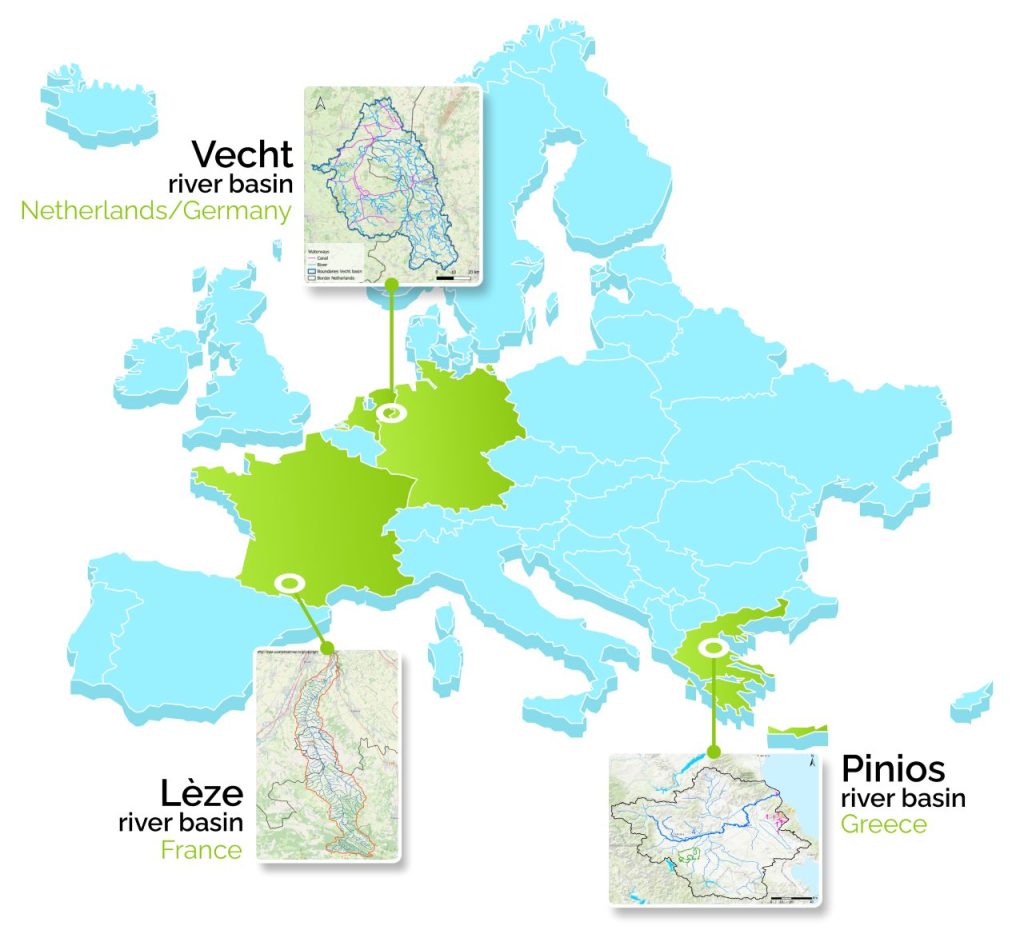
Through this survey, Spongeworks reaches out to residents of the three river basins, to learn about their experiences and knowledge related to the river basin they live in and water-related risks, but also about their relationship to (places in) the basin and its community.
The survey invites residents to share their experiences with extreme weather events, the impacts on their communities and lifestyles, the preventive measures they currently use, and the solutions they believe could make a real difference.
In each of the three demonstrators, Pineios in Greece, the Lèze Basin in France and the transboundary Vecht Basin shared between the Netherlands and Germany, SpongeWorks will implement nature-based solutions—referred to as “sponge measures”—to enhance water retention, soil health, and climate adaptation. Unlike traditional “grey” infrastructure such as dams and levees, sponge measures are natural, cost-effective, and environmentally friendly, offering long-term protection for both people and ecosystems.
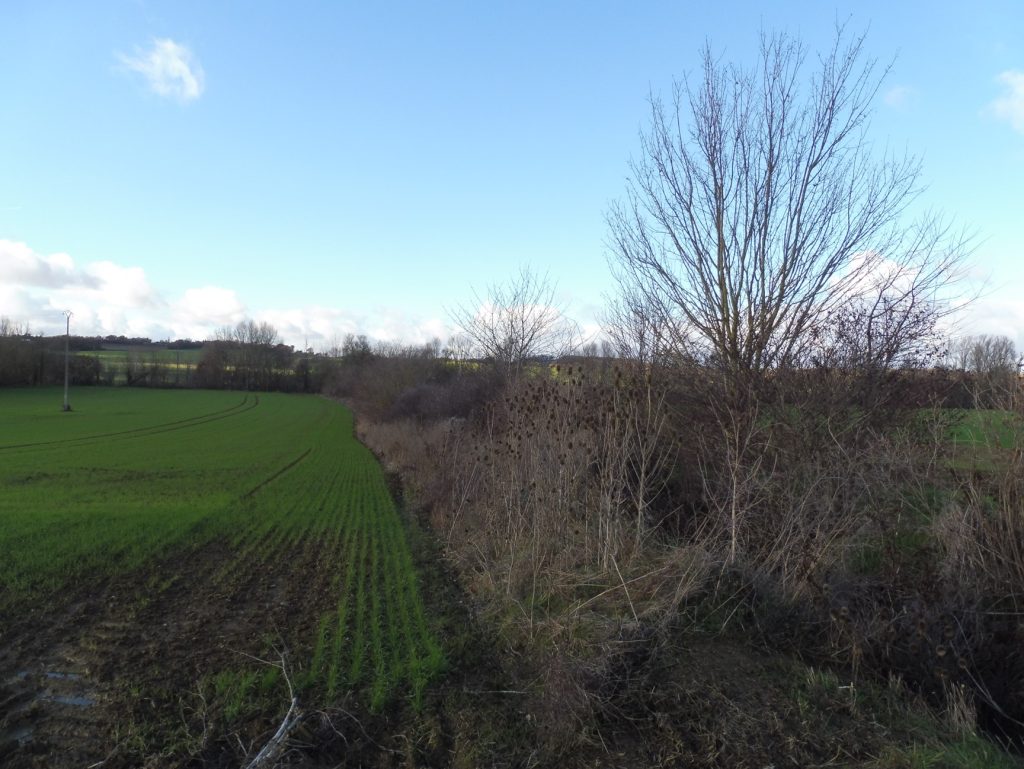
Sponge measures are community-focused measures, that depend on a thorough understanding of each landscape and the attitudes of the local community.
By participating, locals contribute directly to shaping a resilient and sustainable future for their homeland.
The