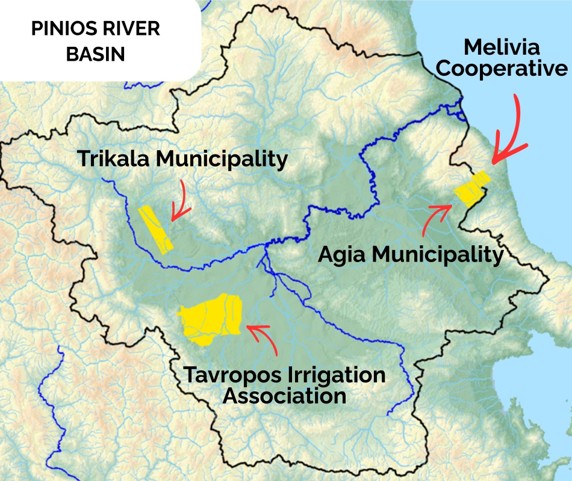
Pinios river basin, Greece

About the demonstrator

Located in Thessaly in central Greece, the Pinios river basin represents a Mediterranean agricultural landscape facing increasing pressure from climate change. Summers are hot and dry, while rainfall varies widely across the basin – from semi-arid lowlands to wetter mountainous areas – creating strong contrasts in water availability. This is Greece’s agricultural heartland: a 11,000 sq. km​ basin where farming forms the backbone of the regional economy, while also placing heavy demands on water and soil resources.

“This is the heart of large-scale agriculture in Greece. Change is challenging to implement here, but any change that succeeds will have the highest visibility and the potential for replication across the country.”
Andreas Panagopoulos
SWRI
““Sponge measure adoption in the Pinios river basin is first and foremost in the hands of farmers. Proving that these measures are feasible and economically worthwhile — for soil protection, productivity and water savings - is essential.”

Thanos Giannakakis
WWF Greece
Key challenges

  • Increasing flood and drought risk under climate change.
  • Overexploitation and pollution of surface and groundwater.
  • Soil degradation and erosion, with emerging desertification risks.
  • Agricultural practices not adapted to climate extremes.
  • Complex and fragmented multi-level governance across national, regional and local actors
challenges1

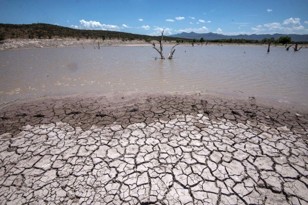
Droughts are increasing in the Pinios river basin, increasing the risk of desertification.

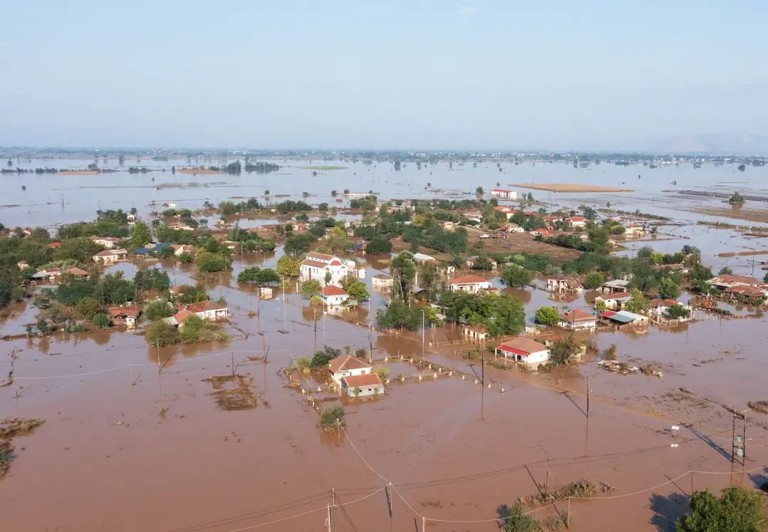
Storm Daniel caused severe flooding and damages in September 2023

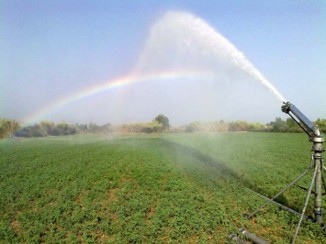
Poor irrigation practices remain widespread, leading to inefficient soil water management

Demonstrator Goals

  • Improve water availability and quality by reducing runoff and storing more water in the soil.
  • Reduce flood and erosion risks by slowing down water flows through riparian and landscape-scale interventions.
  • Restore soil health and fertility and strengthening soils through agroecological practices.
  • Increase climate resilience across the basin, strengthening ecosystems, agriculture, and local livelihoods.

Progress so far

  • Baseline and soil properties biodiversity monitoring established.
  • Active engagement with Municipality departments and services, and farmers, led to strong local support for the sponge measure implementation sites.
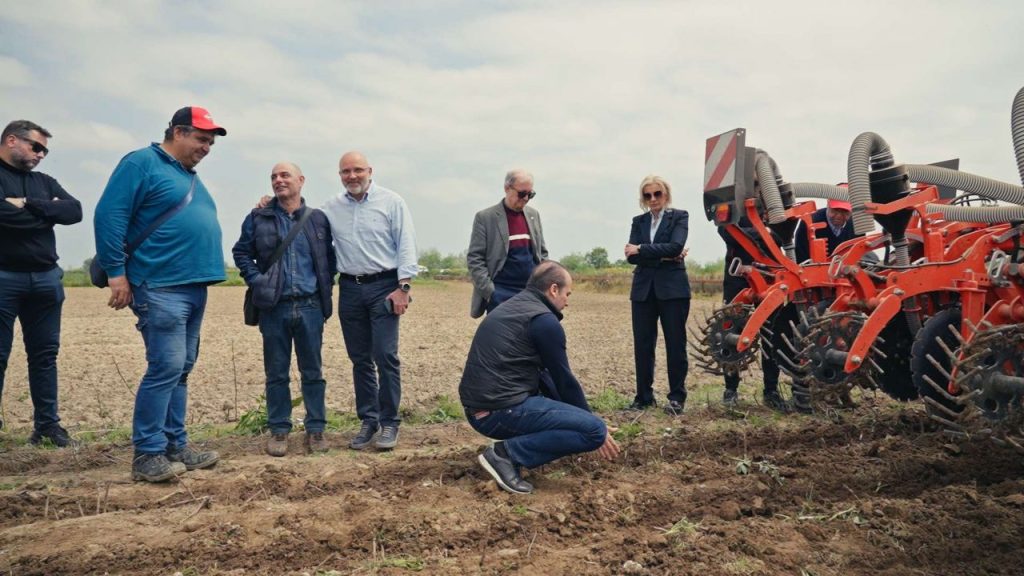
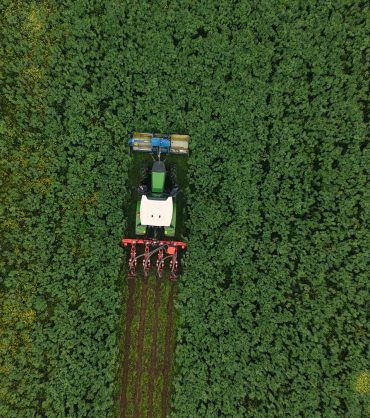
  • Acquisition and use of machinery to demonstrate and support strip till practices.
  • Soil water management measures implemented in several sites.
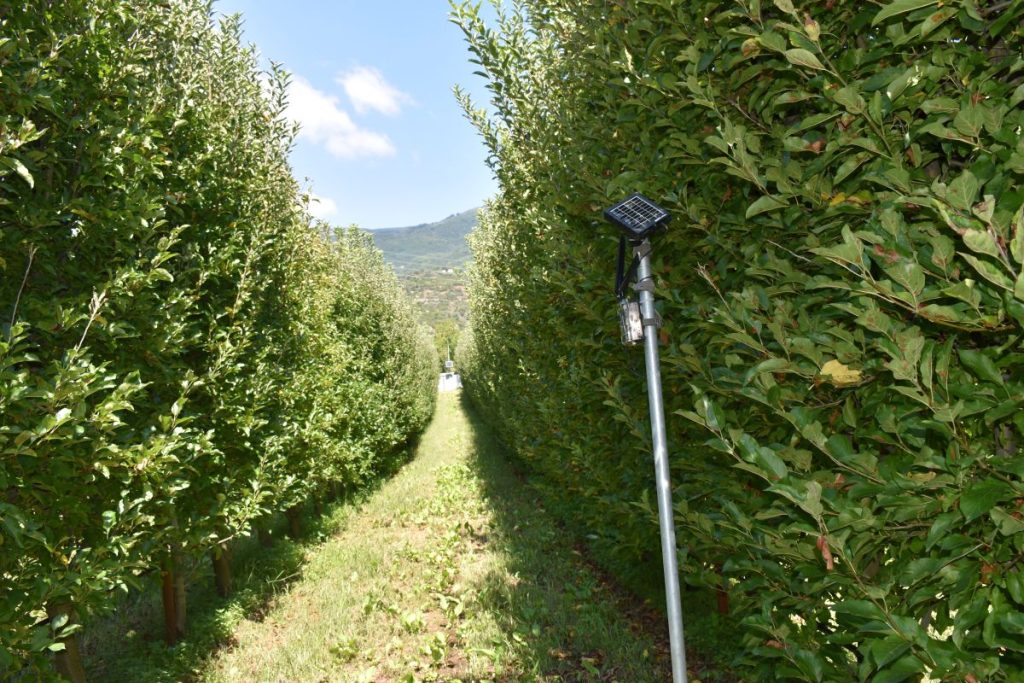
  • Installation of 2 meteorological stations and a cosmic ray neutron sensor (by CRNS)
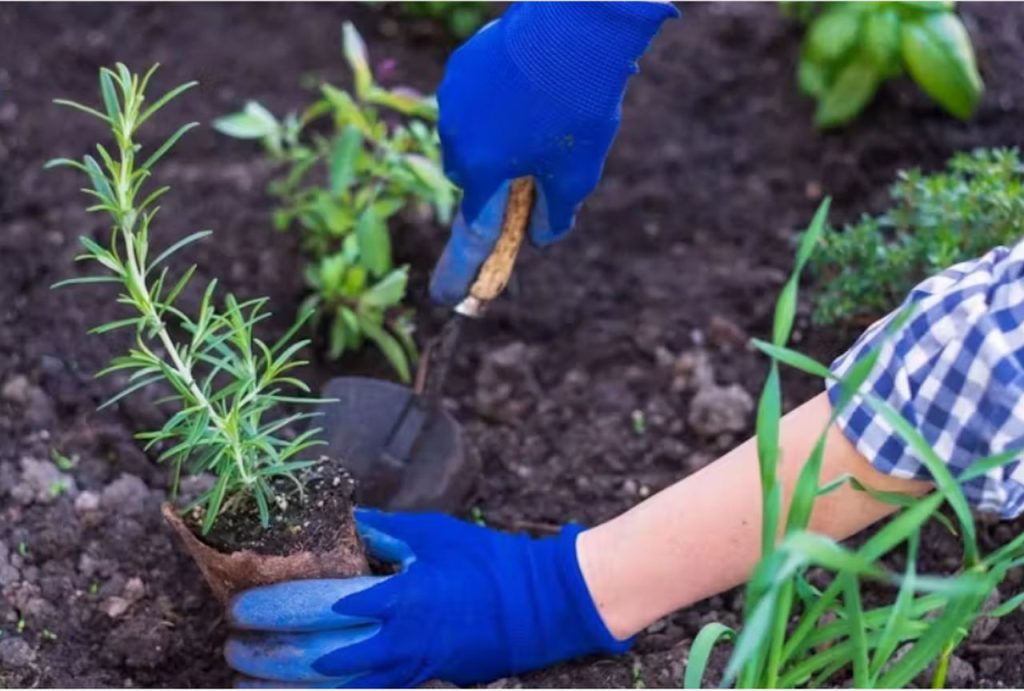
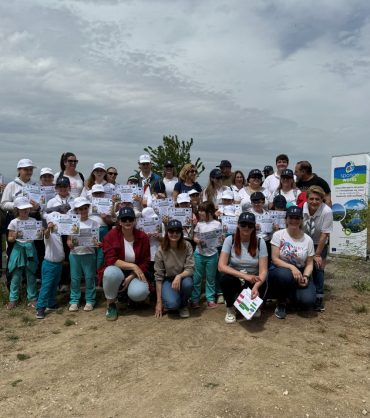
  • Volunteers engaged for hedge planting of specially selected indigenous plant species.
  • Student competition design with LUH for sponge demonstration park completed. Permissions secured and clear ownership established for Sponge Park site

Sample ongoing activities

Planting of buffer strips in Karditsa area.

Implementation of mulching in fields in Agia area.

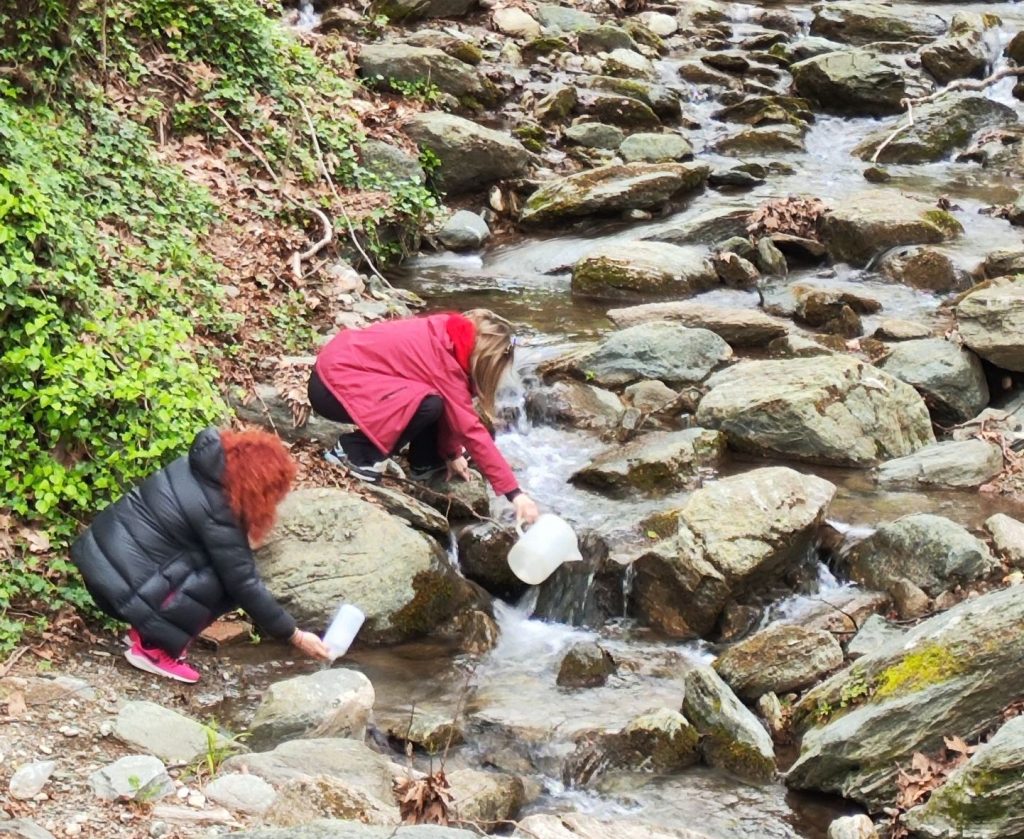
Water quality monitoring by TOEV Tavropou.

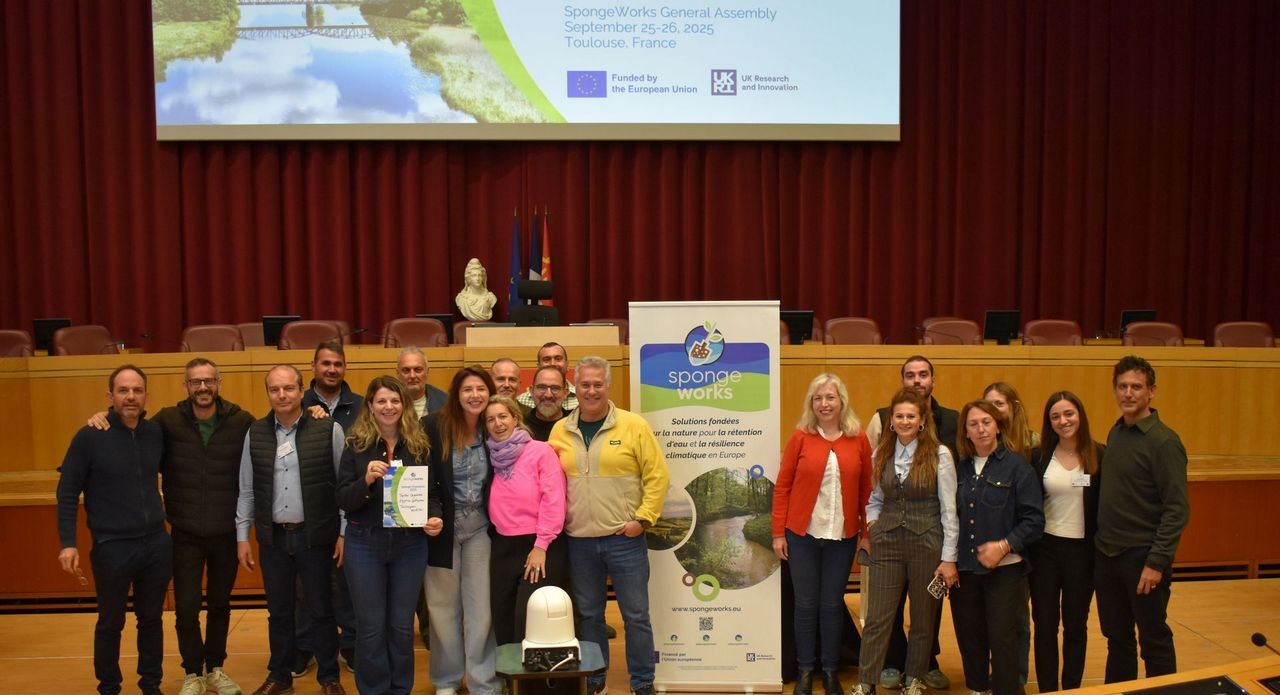
Meet the team

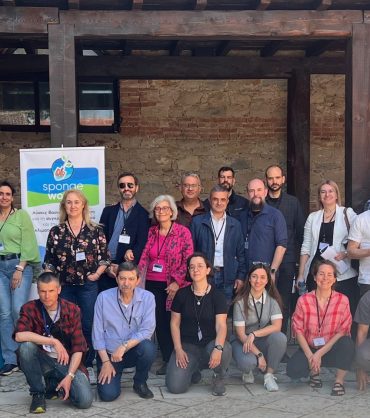
Andreas Panagopoulos, SWRI

Anna Chatzi, SWRI

Thanos Giannakakis, WWF Greece

Vasilis Pisinara, SWRI

Giorgos Gorgogetas, e-Trikala Development Agency

Eleni Alexiou, TOEV Tavropou

Evangelos Kraniotis
Melivia Agricultural Cooperative

Theodora Patsiavoudi
Agia Municipality