Syndicat Mixte Interdépartemental de la Vallèe de la Lèze (SMIVAL)
Office International de l’Eau (OiEau)
Chambre d’Agriculture de Haute-Garonne
Chambre d’Agriculture de l’Ariège
CNRS / CRBE
Adict Solutions
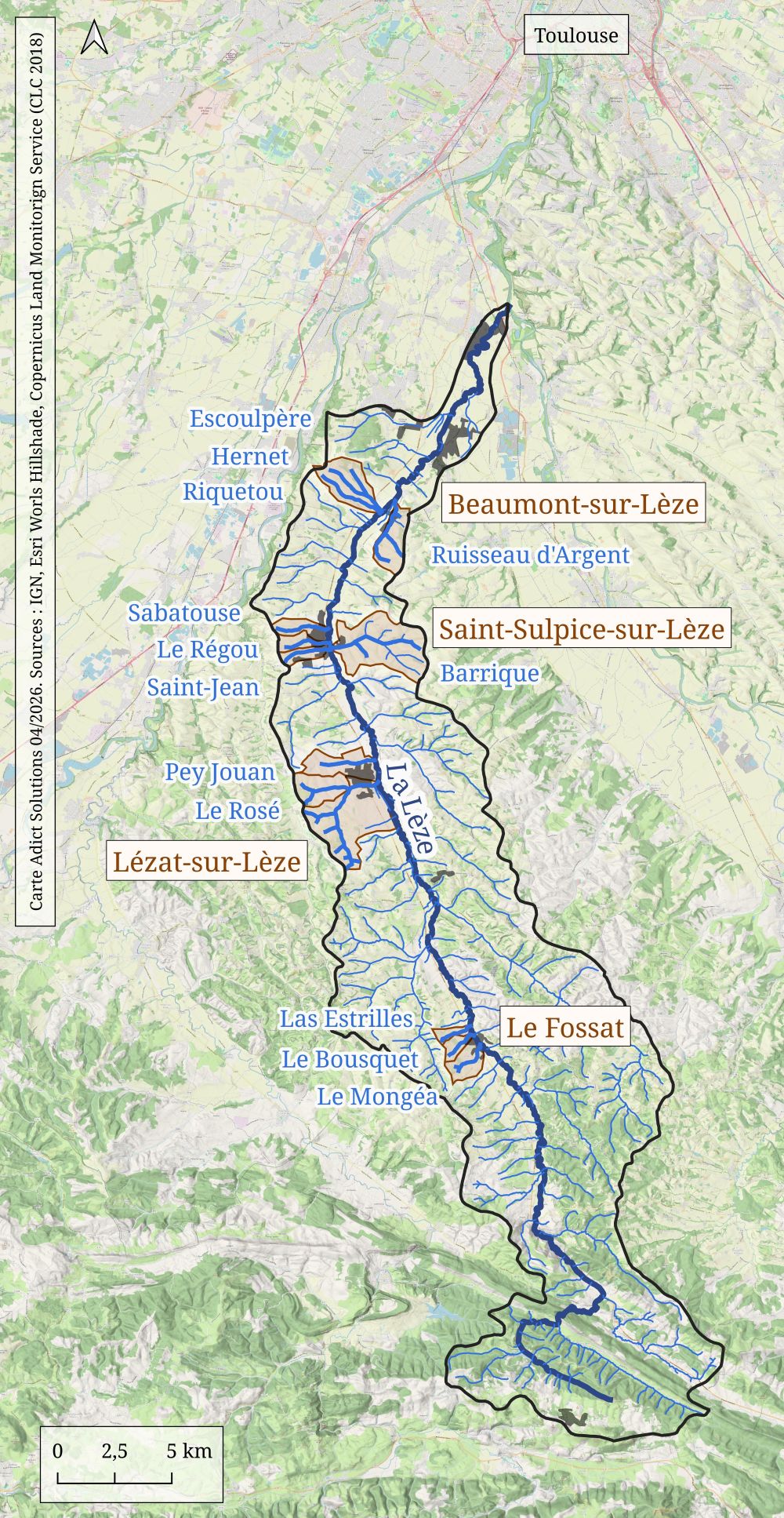
The Lèze River Basin is a small agricultural catchment in southern France, covering around 350 km² and home to approximately 30,000 people. Crops and grasslands occupy more than 80% of the basin.
Over recent decades, farming in the upper parts of the basin has shifted from extensive livestock systems to cultivated crops. This transition has led to the ploughing of former grasslands, enlargement of fields, and removal of hedges. Together with mechanisation and soil compaction, these changes have profoundly altered how water moves through the landscape.
Key challenges
Mudslides, erosion and flooding Steep slopes, short tributaries and compacted soils cause rainfall to concentrate rapidly in the river leading to frequent mudslides affecting villages, roads and farmland.
Water quality and availability Diffuse nitrate and pesticide pollution affect both surface and groundwater. Increasing droughts threaten water availability for agriculture and ecosystems.
Soil degradation The conversion of grassland to crops, intensive tillage and hedge removal have reduced soil organic matter, infiltration capacity and stability, increasing runoff and erosion risks.
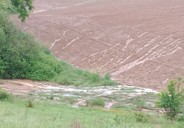
Soil erosion (2025)
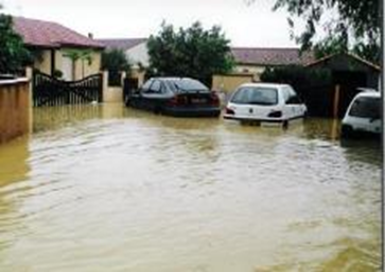
Flooding (2000)
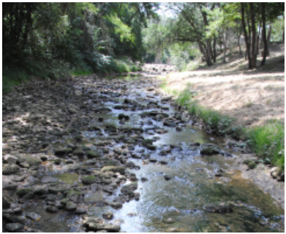
Drought (2012)
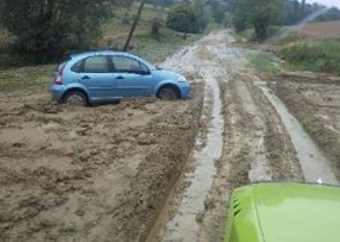
Mudslides (2018)
Progress so far
Sponge measures implementation already underway:
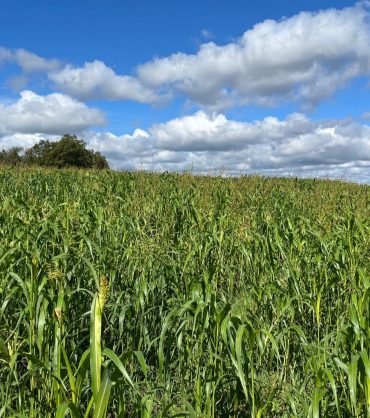
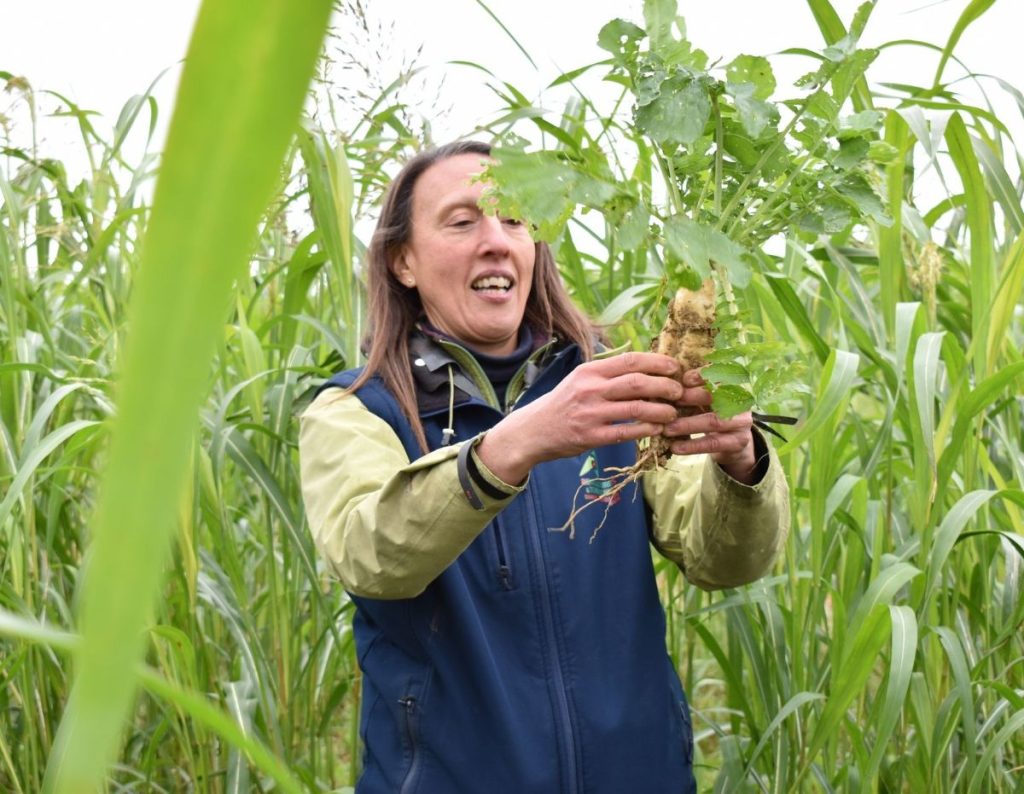
On farms: green cover crops, temporary meadows
On public land: filtering dams
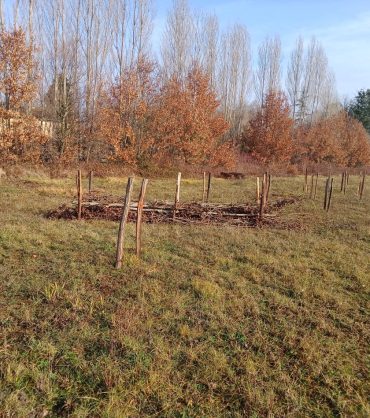
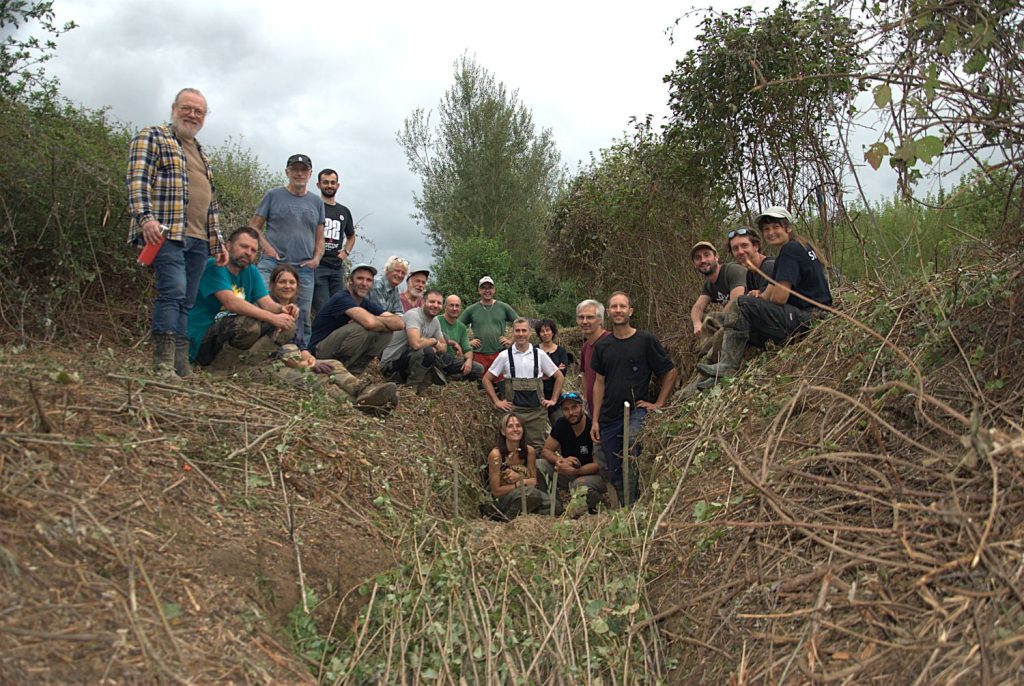
On private properties: establishment of riparian vegetation (hedgerows along the watercourse), consisting of tree plantings and dry hedges Monitoring is underway, with water quantity and quality stations installed:
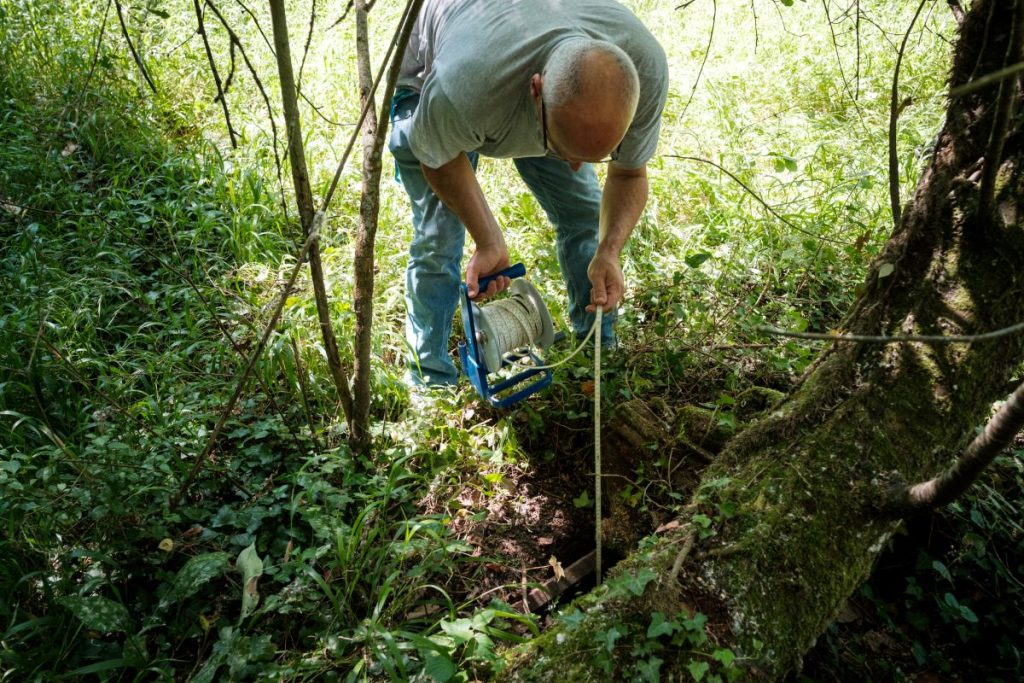
Monitoring is underway, with water quantity and quality stations installed:
9 equipped wells on private properties (5 additional wells still to be identified and equipped)
2 monitoring stations on the Lèze River: Labarthe-sur-Lèze and Le Fossat
12 monitoring stations at the outlets of priority sites to be installed in the coming months.
Baseline modelling of the catchment has been completed, providing a better understanding of how the watershed functions (runoff, pollutant transport, etc.).