

From river restoration in Germany to climate-resilient urban spaces in the Netherlands, the 3rd SpongeWorks General Assembly brought partners together to explore how sponge measures work in practice, and how they can be replicated in different contexts. Held at the University of Twente’s DesignLab in Enschede from 29 September to 1 October 2026, the meeting combined workshops with a field trip through the transboundary Vecht/e basin.
The General Assembly was organised by SpongeWorks in close collaboration with Dutch and German partners, including the University of Twente, Waterschap Vechtstromen, the Municipality of Hardenberg, Landkreis Grafschaft Bentheim, Deltares and Leibniz University Hannover.
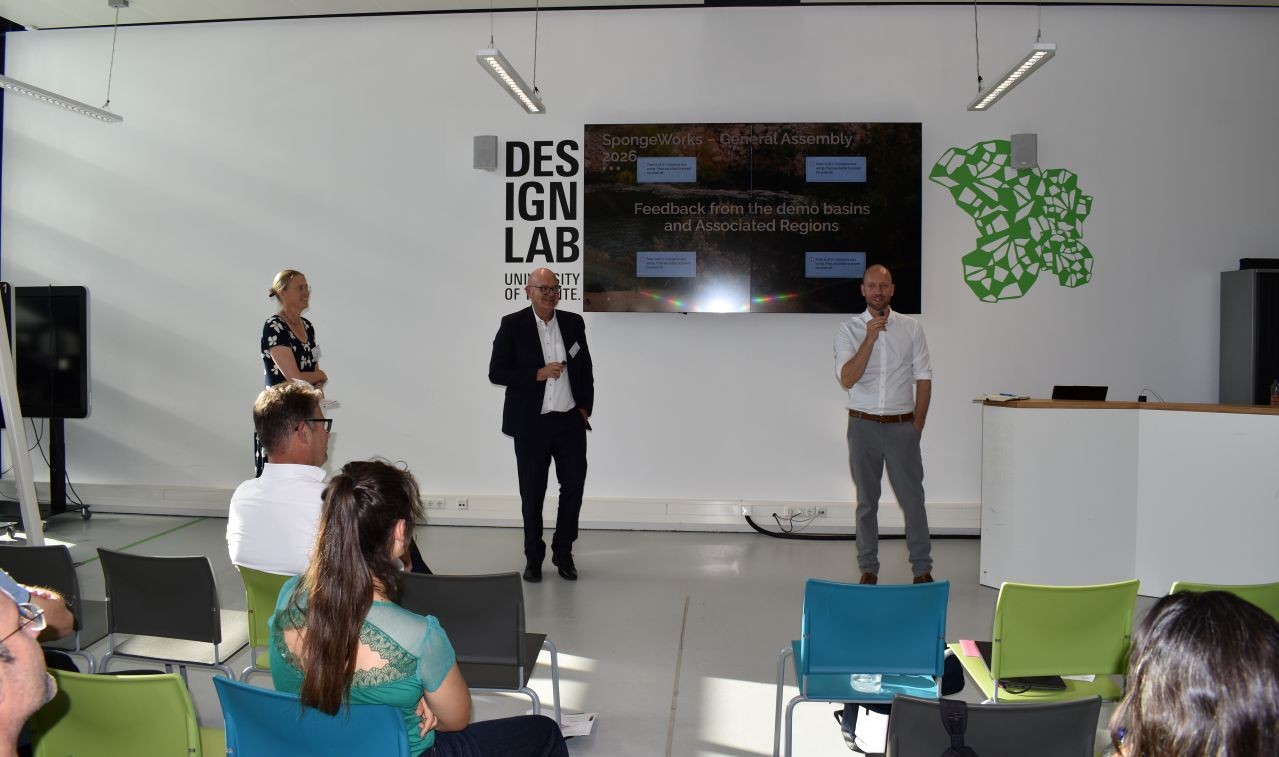
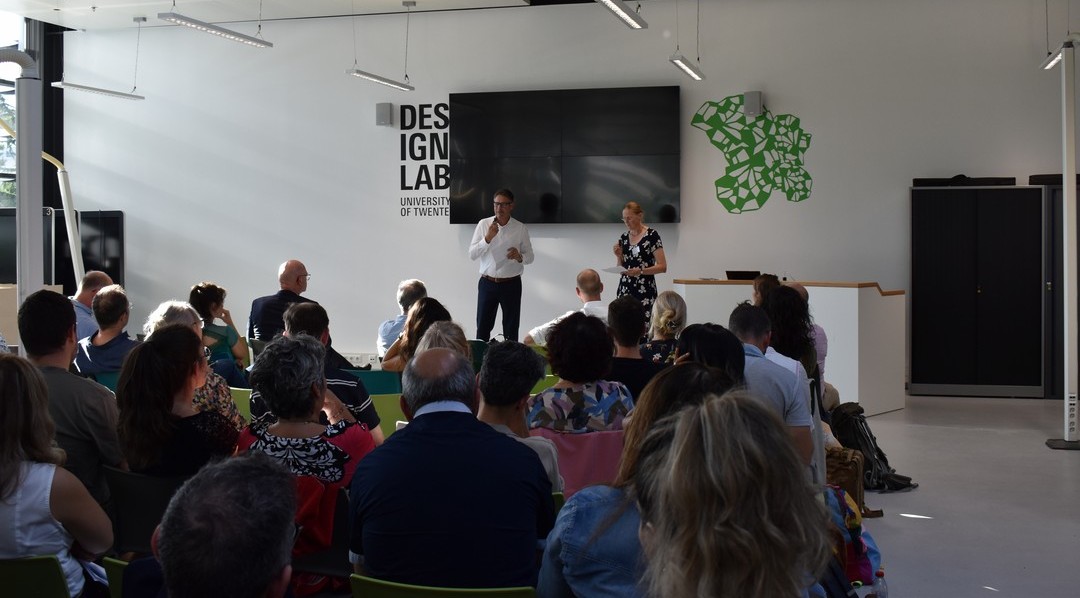
Mr. Uwe Fietzek, District Administrator of Landkreis Grafschaft Bentheim, and Mr. Gerald Aveskamp, Executive Board Member at Waterschap Vechtstromen, gave a closing statement during the first day of the SpongeWorks General Assembly.
The General Assembly also featured contributions from Mr. Uwe Fietzek, District Administrator of Landkreis Grafschaft Bentheim, and Mr. Gerald Aveskamp, Executive Board Member at Waterschap Vechtstromen, who underlined the relevance of the project’s approach to the region’s changing water-management challenges. Increasing drought risk, in particular, directly clashes with the dominant paradigm in much of Northern Europe of draining water as quickly as possible from the landscape. As Fietzek stated: “Under current climate change conditions, if SpongeWorks did not exist, we would have to invent it.”
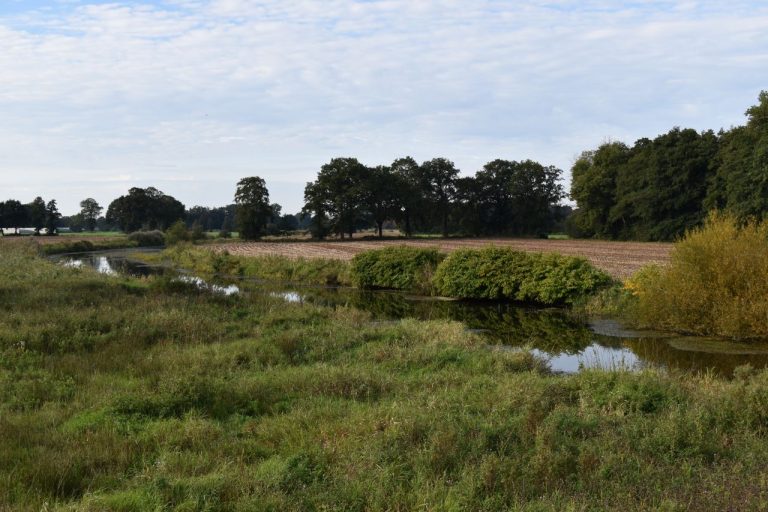
At the Dinkel near Lage/Neuenhaus, participants visited a 120-metre nature-like bed ramp that replaced a former weir. Its sequence of pools and low cross-ridges raise upstream water levels and retain water in the surrounding landscape, while maintaining ecological continuity and allowing fish passage.
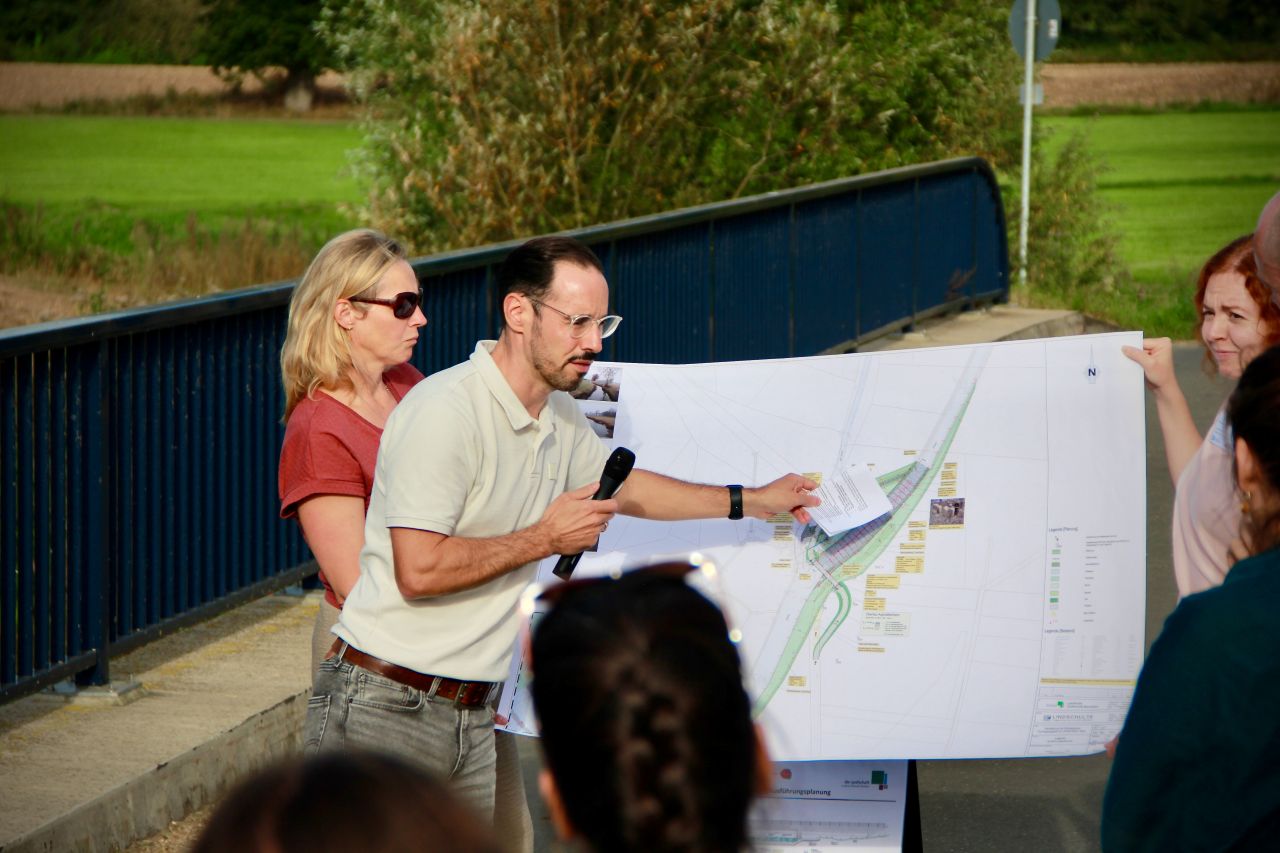
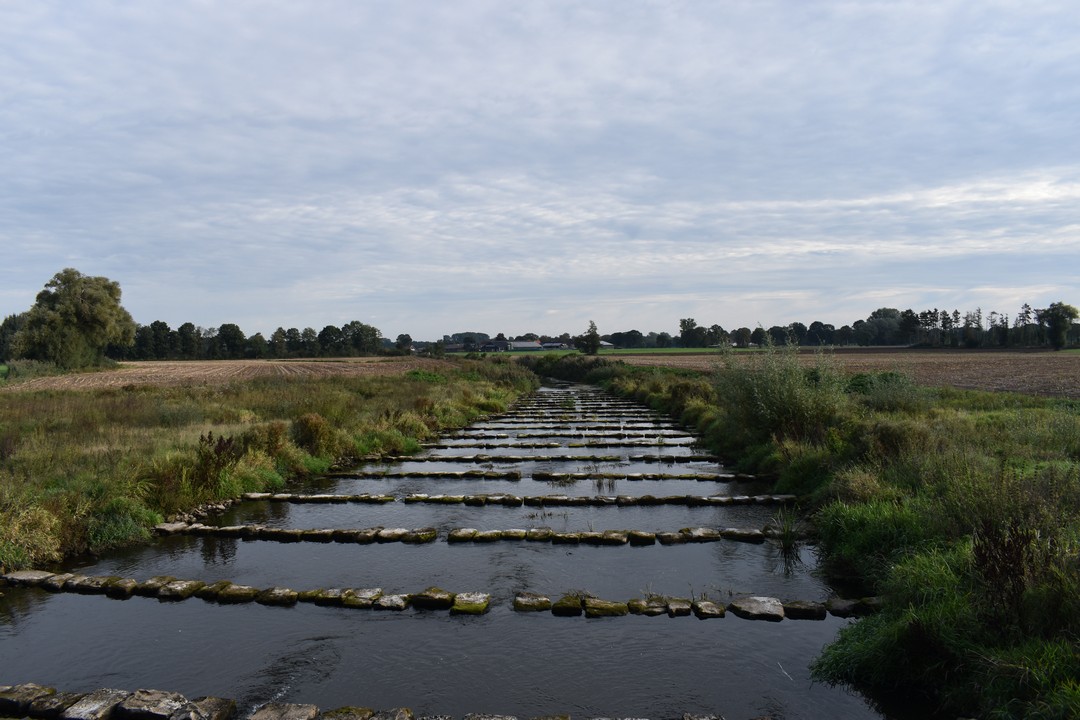
First stop: The Dinkel near Lage/Neuenhaus in Germany.
Participants also saw small weirs in Germany designed to retain water in smaller drainage channels, helping to maintain water availability during dry periods. These adjustable, low-cost structures are co-managed with farmers, who work with the water authority to raise or lower water levels in response to changing weather conditions, particularly drought, and agricultural needs. Under SpongeWorks, this approach is being replicated at four additional sites to support water retention and groundwater recharge.
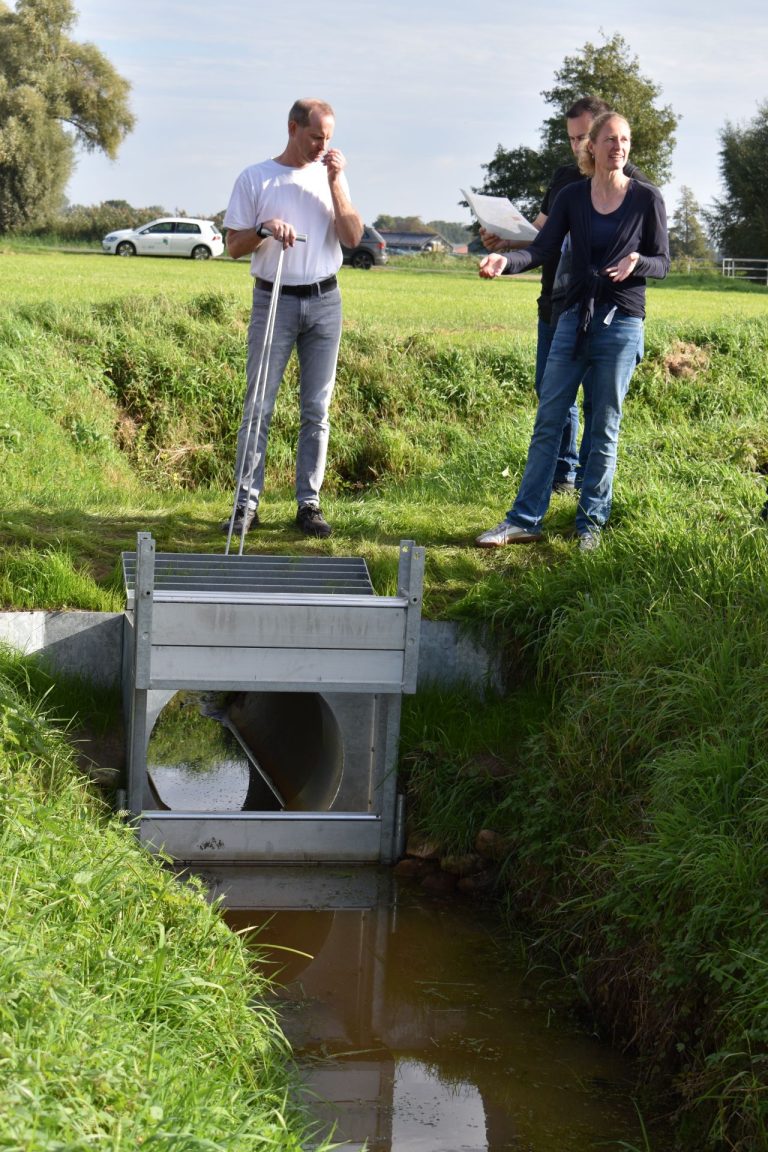
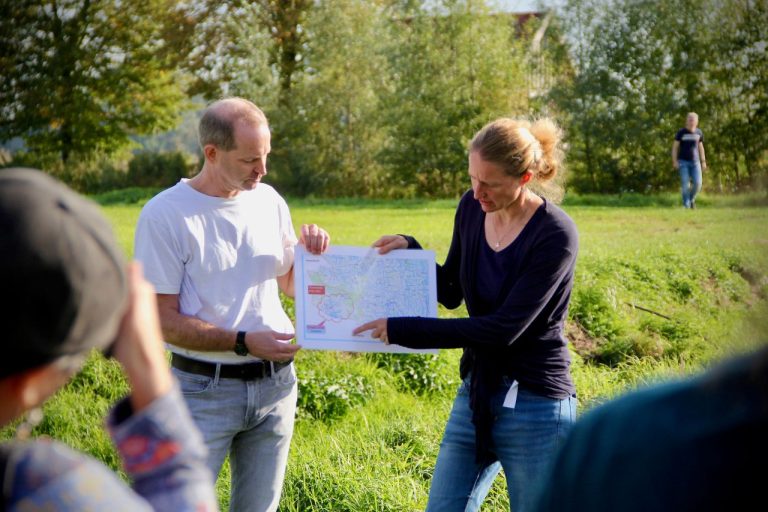
Under SpongeWorks, at four sites in Germany, small weirs and rock ramps are used to retain water in smaller watercourses and support groundwater recharge.
After crossing into the Netherlands aboard the traditional Vechtezomp boat, the group visited sites around Hardenberg and Rheeze. At Hardenberg, participants visited the Heemse green cycling route, a SpongeWorks-related initiative showing how water management can be integrated into public space. In a video statement from Hardenberg‘s alderman Elma Soeten explains the rationale behind the cycling route and the Municipality’s participation in SpongeWorks.
At Rheezermaten in the Netherlands, participants explored an earlier river-restoration project by Vechstromen that has given the river more room to meander and reconnect with the surrounding floodplain. Creating more space for water during high flows has reduced flood risk while supporting a more natural river landscape. Essential to the project’s success was securing landowner support and negotiating land exchanges that allowed farmers to move from lower-lying floodplain areas to higher ground. Similar river-restoration measures will also be implemented under SpongeWorks, building on the lessons from existing practice.
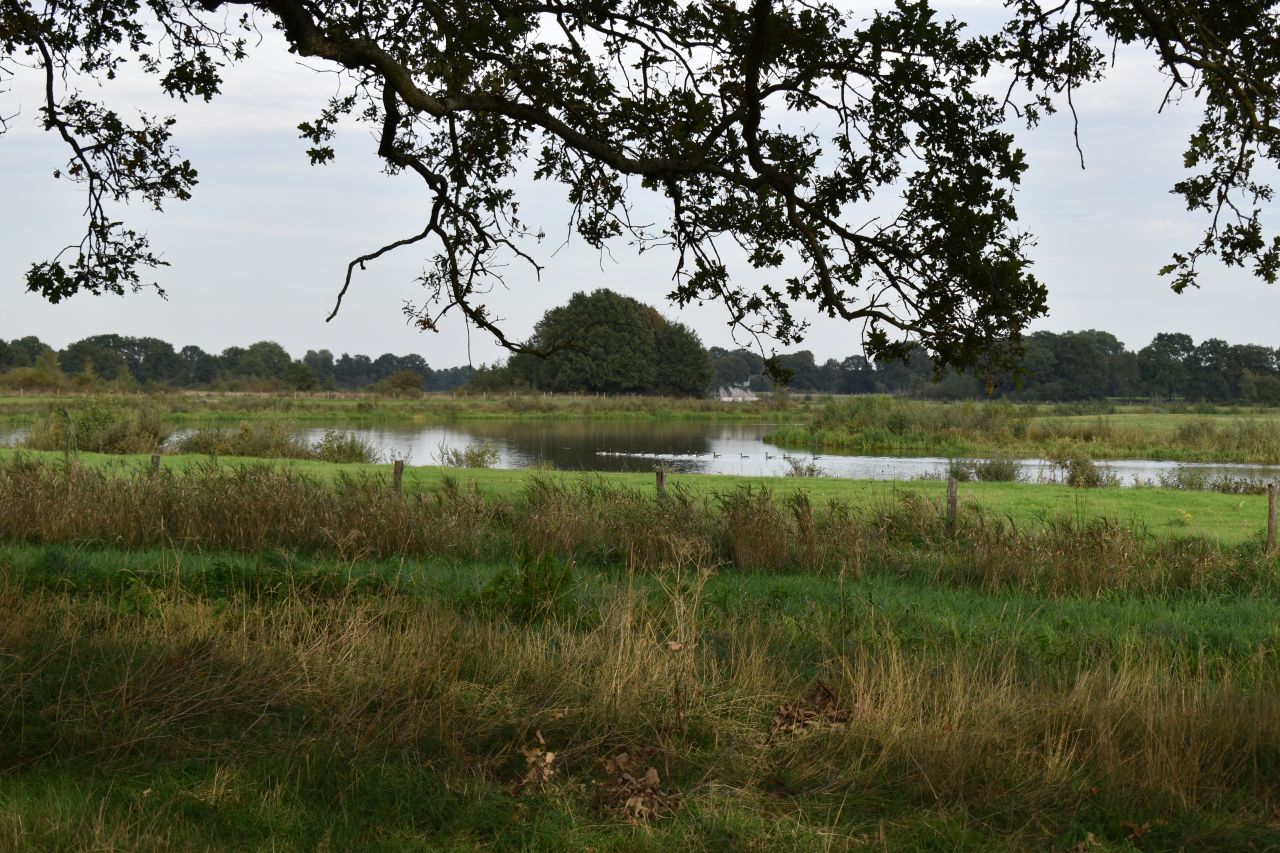
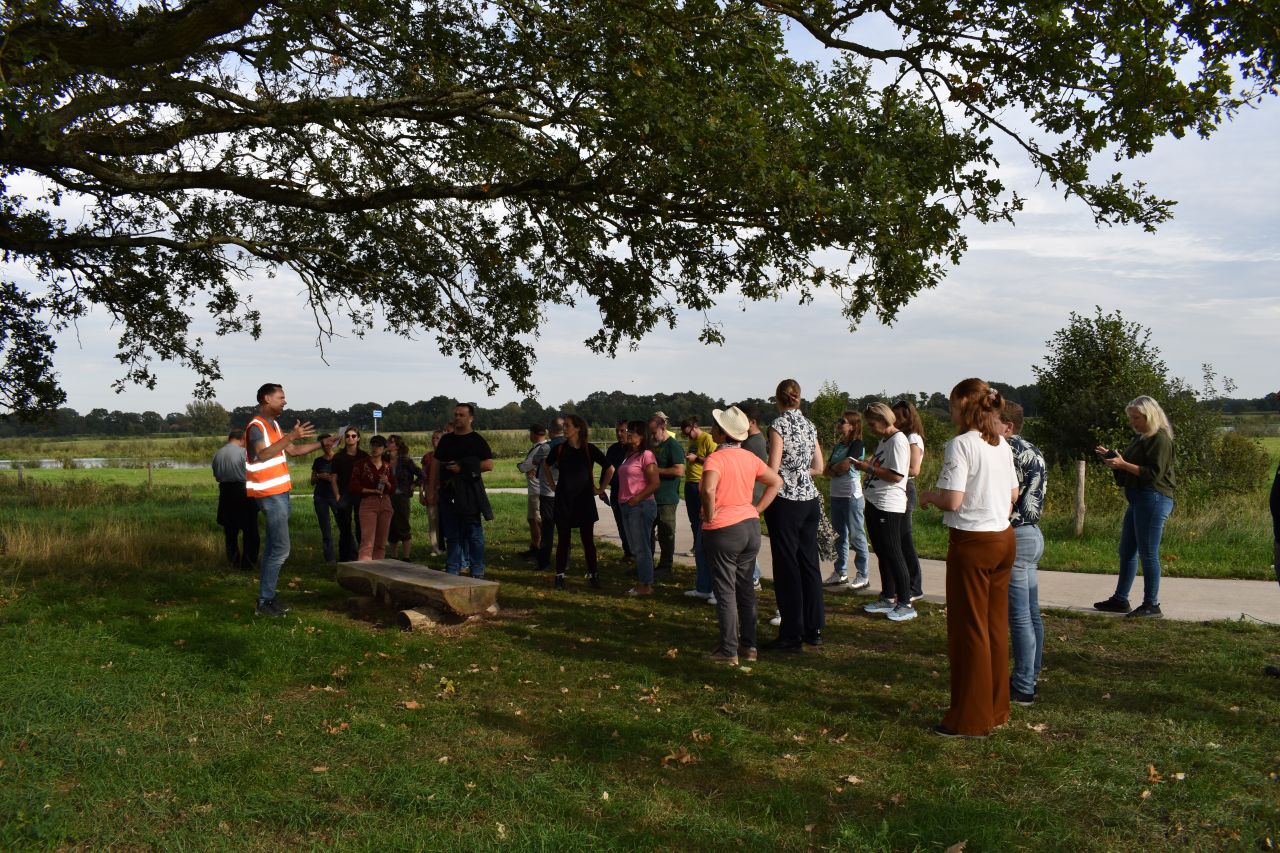
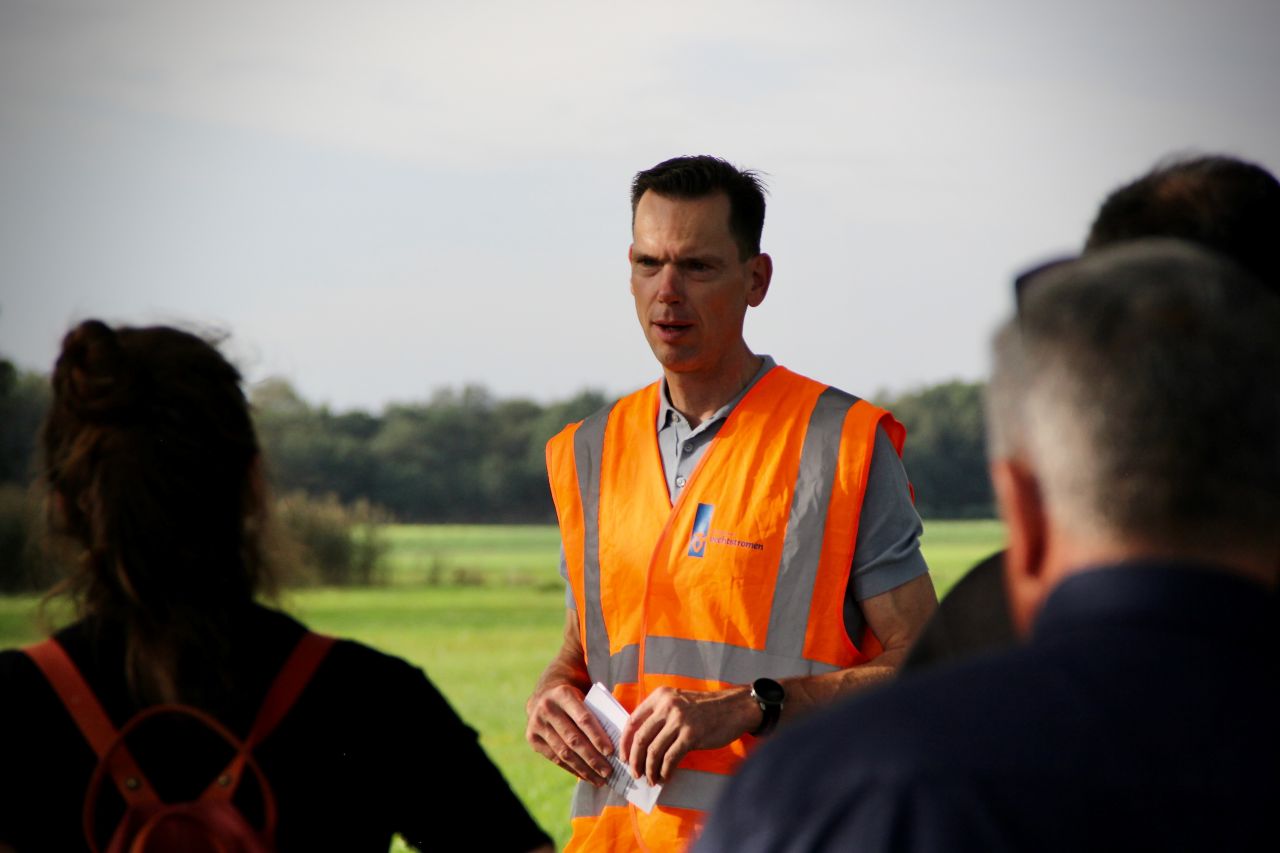
At Rheezermaten, Stef Fortkamp/Vechtstromen explained the benefits of the river-restoration project.
The field trip connected directly with the General Assembly’s central question: how can SpongeWorks produce robust evidence to help authorities and other users integrate sponge measures into their regular decision-making? Workshops brought implementers and researchers together to develop scientifically grounded demonstration stories, drawing on monitoring, modelling and other substantiated evidence.
As SpongeWorks Coordinator Christian Albert, Professor of Landscape Planning and Ecosystem Services at Leibniz University Hannover, explained:
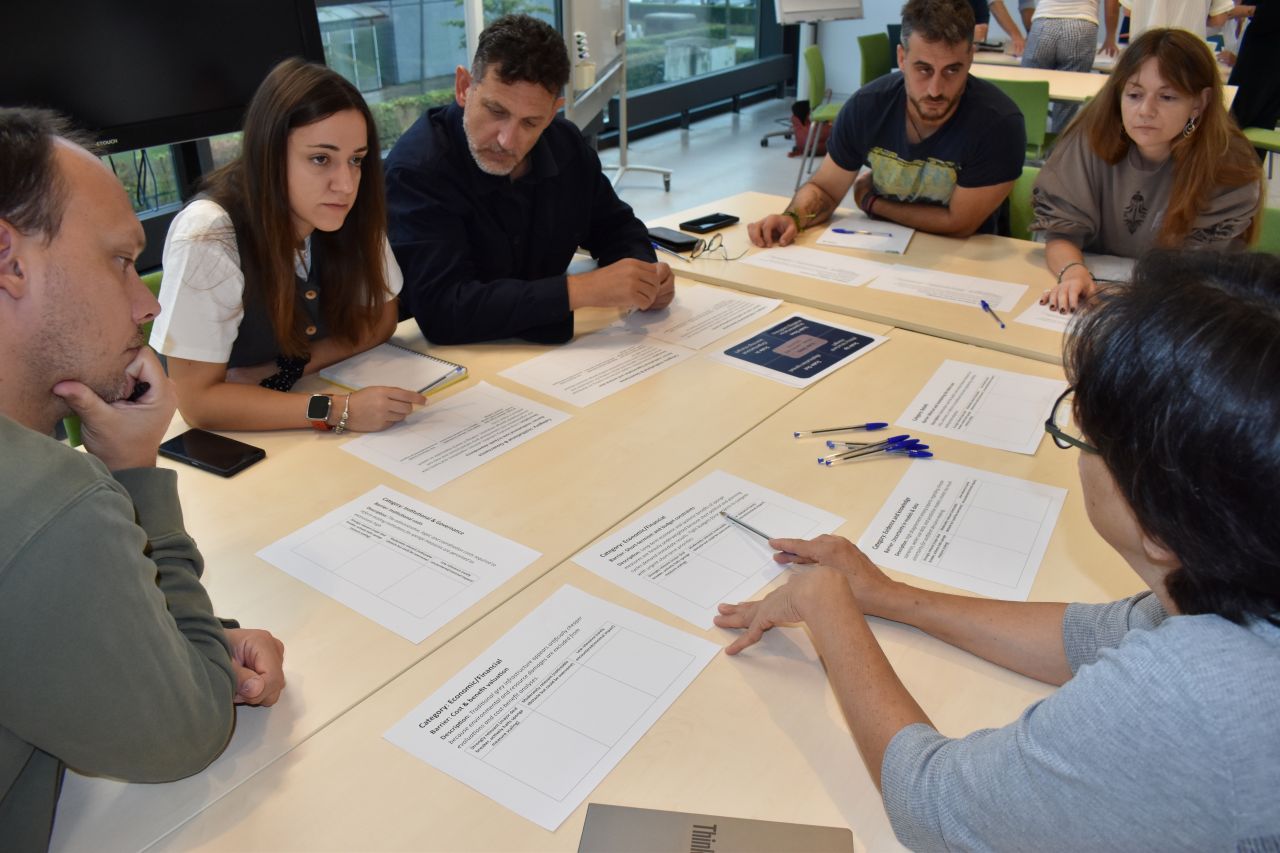
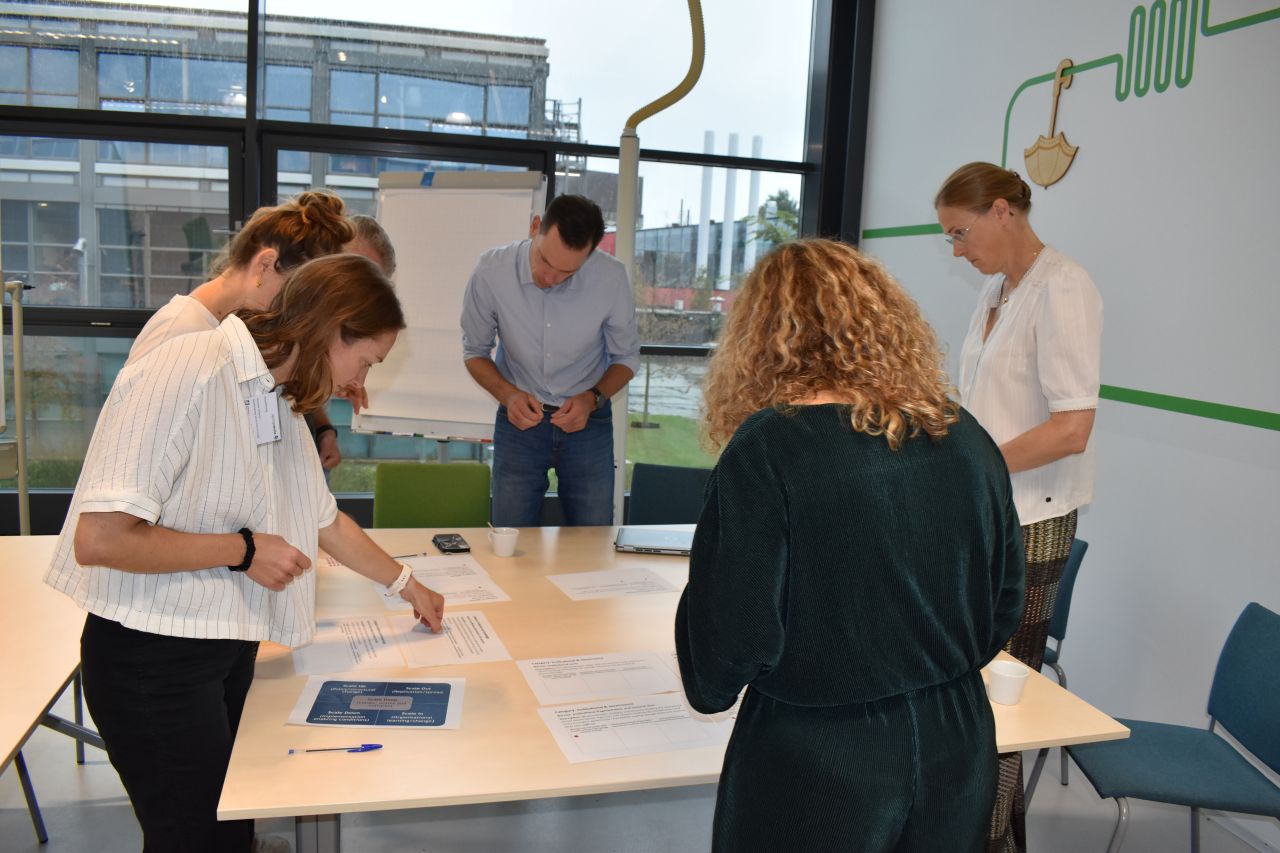
Workshops brought implementers and researchers together to develop scientifically grounded demonstration stories, drawing on monitoring, modelling and other substantiated evidence.
The SpongeWorks project has received funding from the European Union’s Horizon Europe research and innovation programme under grant agreement No 101156116 and from the UK Research and Innovation/HM Government. The project runs from 1 September 2024 to 31 August 2028.
Views and opinions expressed are those of the author(s) only and do not necessarily reflect those of the European Union or the granting authority, the European Climate, Infrastructure and Environment Executive Agency (CINEA). Neither the European Union nor the granting authority can be held responsible for them.
