More than 140 species were recorded in a single morning during the first BioBlitz organised in the Lèze catchment area.
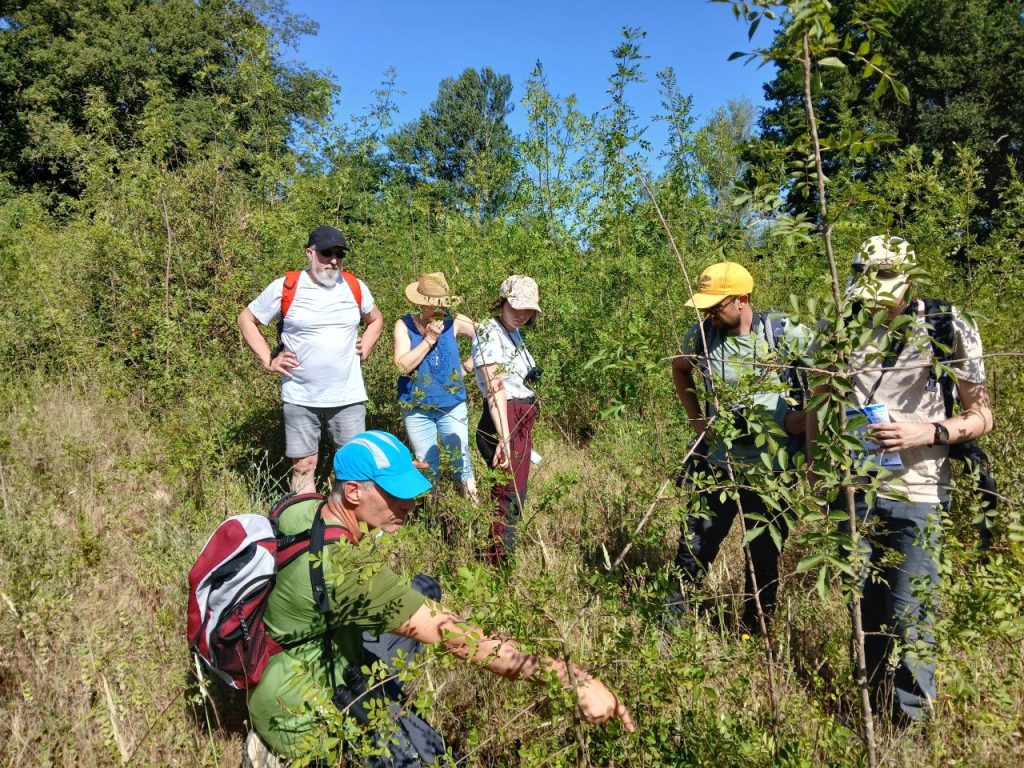
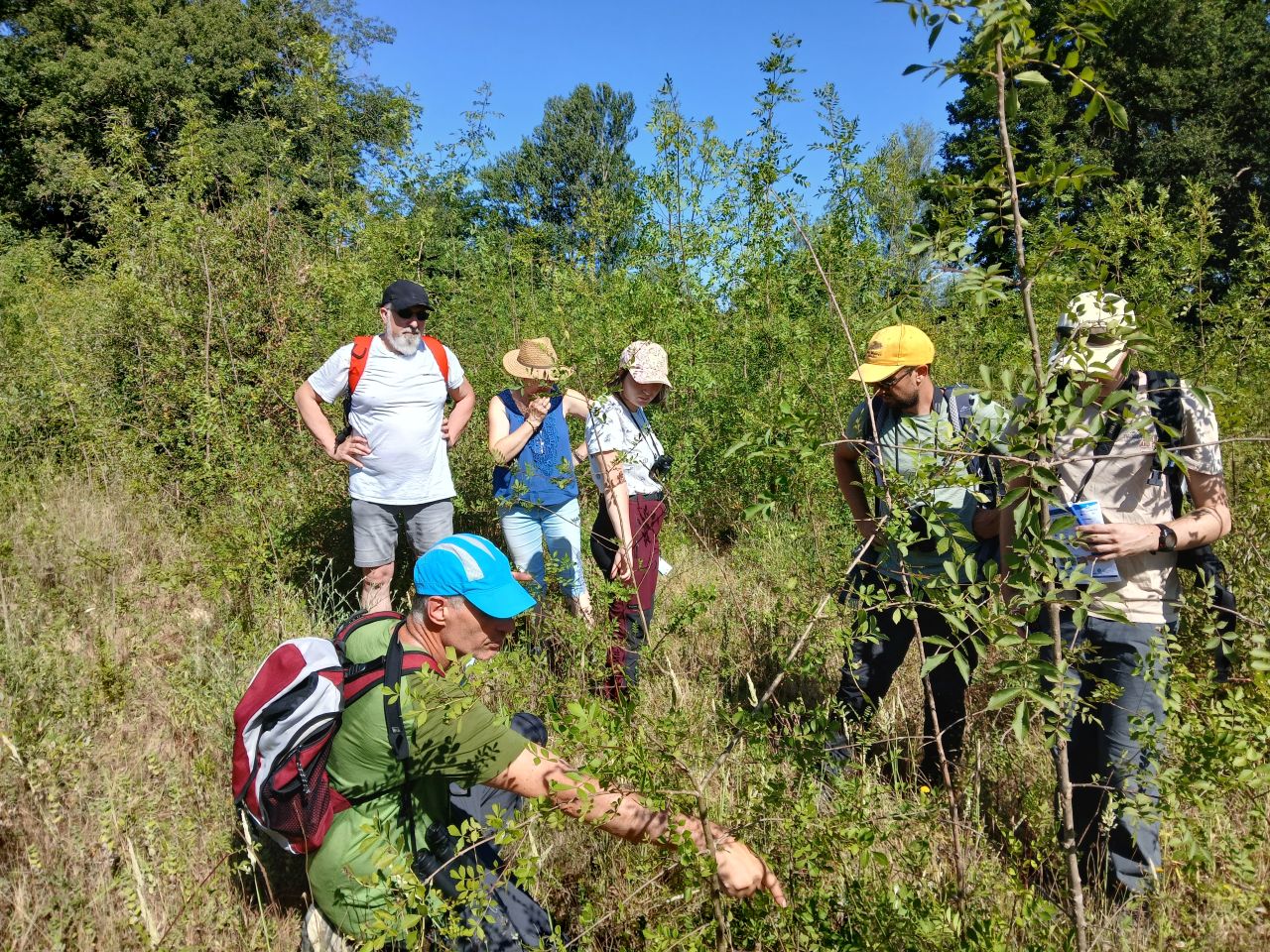
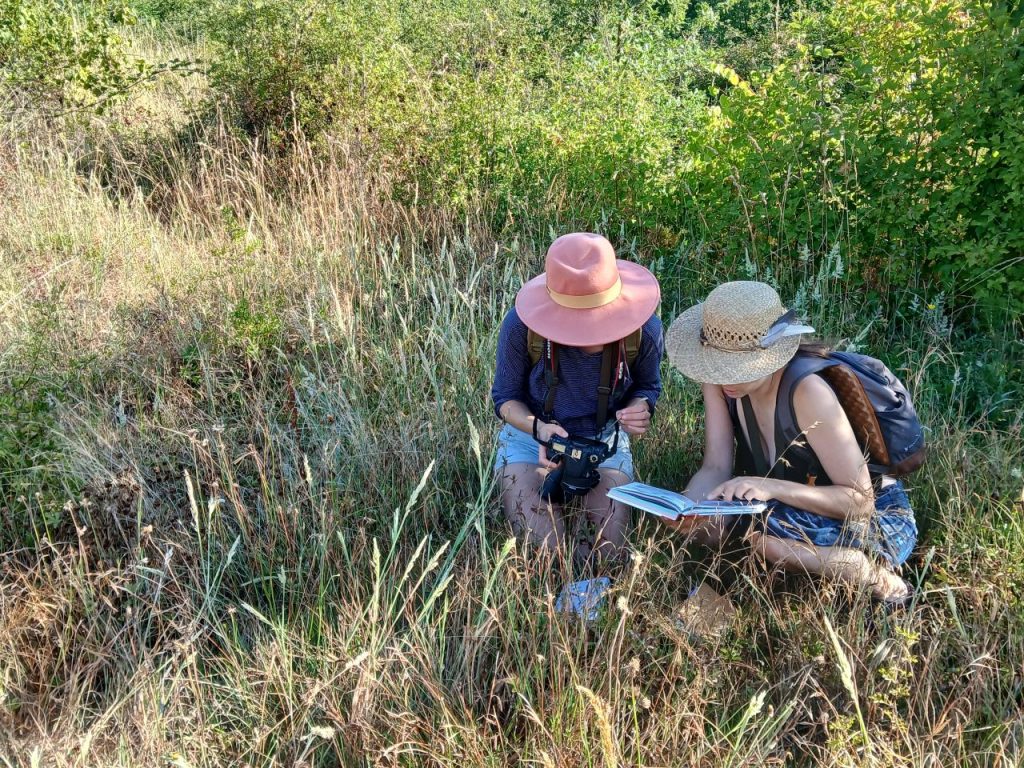
Organised by SMIVAL in partnership with Nature En Occitanie, the BioBlitz brought together around thirty volunteers, including both local residents keen to discover the area’s biodiversity and experienced naturalists. Divided into small groups, the participants explored the Couechot site in Le Fossat to record the flora and fauna present.
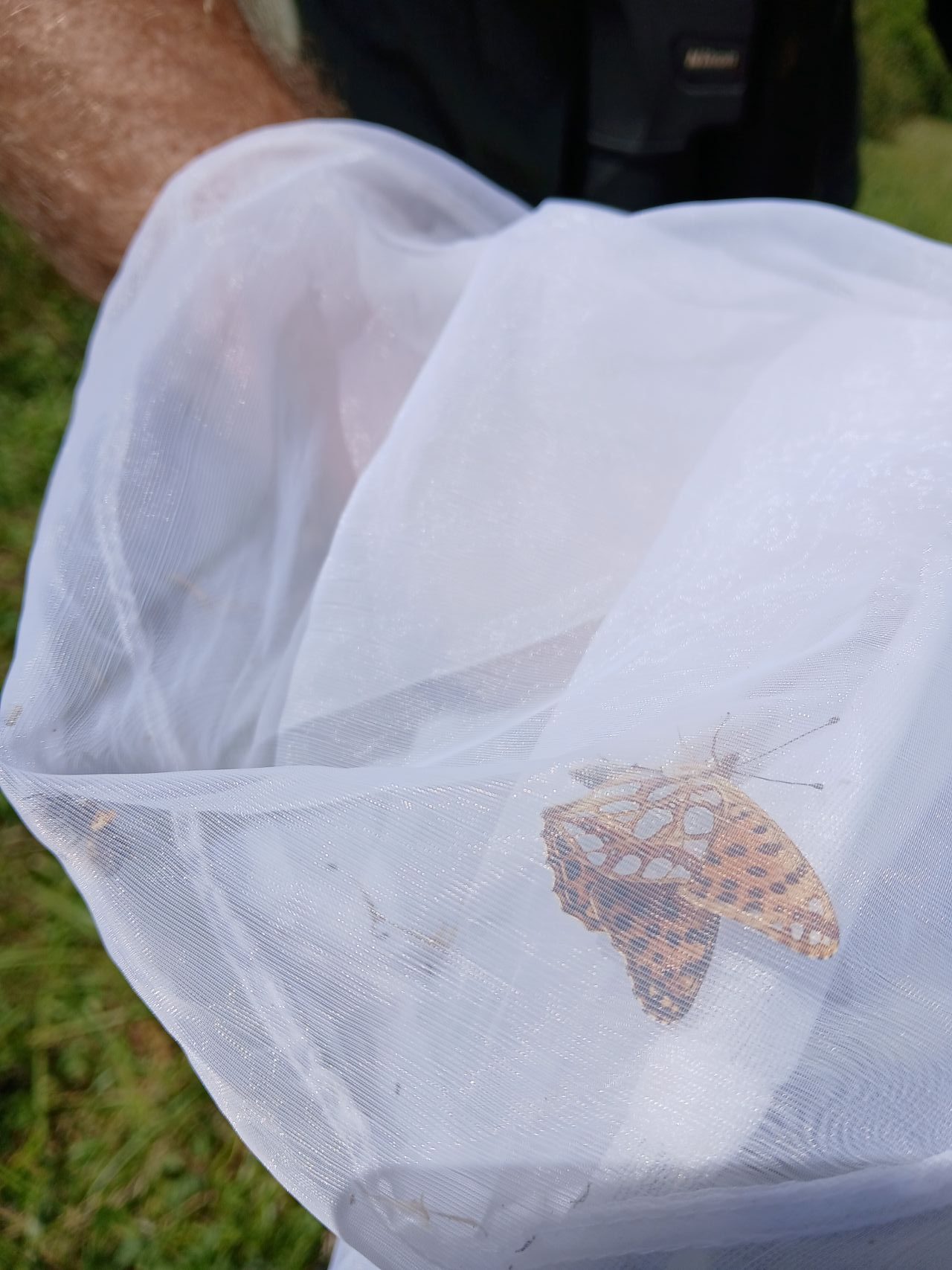
A total of 170 species were recorded, including five protected species, amongst them the Red-backed Shrike (Lanius collurio) and the Western Green Lizard (Lacerta bilineata). Participants also observed numerous species of plants, birds, butterflies, dragonflies, amphibians and reptiles.
The BioBlitz took place on communal land where the SpongeWorks project has already implemented several water retention measures, such as swales and filter dams. Nearby, SpongeWorks will soon be carrying out further works on a piece of agricultural land, including ponds, hedges, swales and filter dams.
This survey serves as a baseline that will enable us to monitor changes in biodiversity over the coming years and assess the ecological benefits associated with these features.
The morning also featured some enjoyable moments, including the sighting of a young roe deer, before concluding with a picnic shared amongst the participants.
SMIVAL would like to extend its warmest thanks to Nature En Occitanie, all the volunteers, naturalists, elected representatives and partners who came together for this first event, which marks the launch of a participatory biodiversity monitoring programme in the region.
The SpongeWorks project has received funding from the European Union’s Horizon Europe research and innovation programme under grant agreement No 101156116 and from the UK Research and Innovation/HM Government. The project runs from 1 September 2024 to 31 August 2028.
Views and opinions expressed are those of the author(s) only and do not necessarily reflect those of the European Union or the granting authority, the European Climate, Infrastructure and Environment Executive Agency (CINEA). Neither the European Union nor the granting authority can be held responsible for them.