


A small community in Montenegro is determined to become a role model for Western Balkans and beyond in tackling climate-change impacts. How will they achieve this?
We spoke with Ratka Sekulovic, Msc- Project Coordinator about this ambitious project.
What sparked the initiative?
The lack of a coordinated flood resilience strategy and limited institutional capacity for integrated water management have left communities vulnerable. Years of underinvestment in erosion control and land restoration have taken their toll, leaving landscapes exposed and ecosystems weakened.
The region’s natural terrain, combined with a history of deforestation, poor riverbed maintenance, and unsustainable land use, has created a perfect storm for flooding. Despite growing interest, there’s still a lack of public awareness and technical expertise around Nature-based Solutions (NbS), holding back progress on smarter, more sustainable flood management.
But this challenge brings an opportunity: to build capacity, restore landscapes, and design a future where people and nature are protected, together.
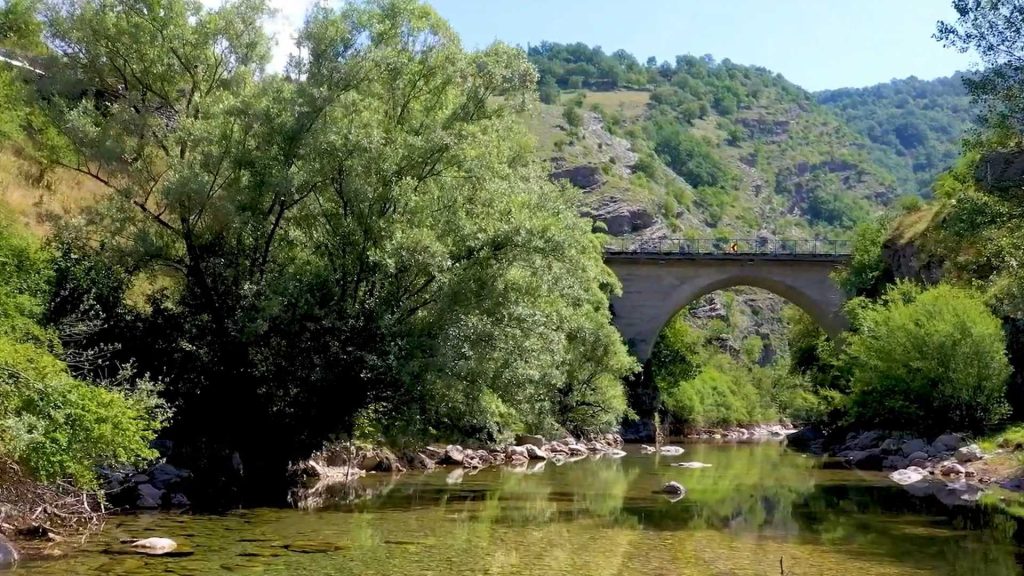
The municipality contains numerous rivers (Bukovica, Tušinja, Bijela, Komarnica, etc.), with steep, unregulated watercourses accelerating runoff.
Why did you want to join SpongeWorks?
In October 2024, devastating floods swept through the region, damaging homes, farmland, and infrastructure. The impacts were severe, and the message was clear: we must act now. Climate change and deforestation have made the land more vulnerable than ever, turning heavy rains into destructive forces. The solution?
Local, nature-based measures that are not only effective, but also affordable and scalable, designed to work with the landscape, not against it. We believe that Spongeworks will equip us with the knowledge, trusted partnerships, practical tools, and the visibility we need to move forward, stronger, smarter, and more resilient.
We joined SpongeWorks looking to learn from experienced regions, knowledge transfer through hands-on tools and capacity-building resources and strategic partnerships that boost scaling and visibility across EU networks. Together, we can build a stronger, more connected community for climate resilience.
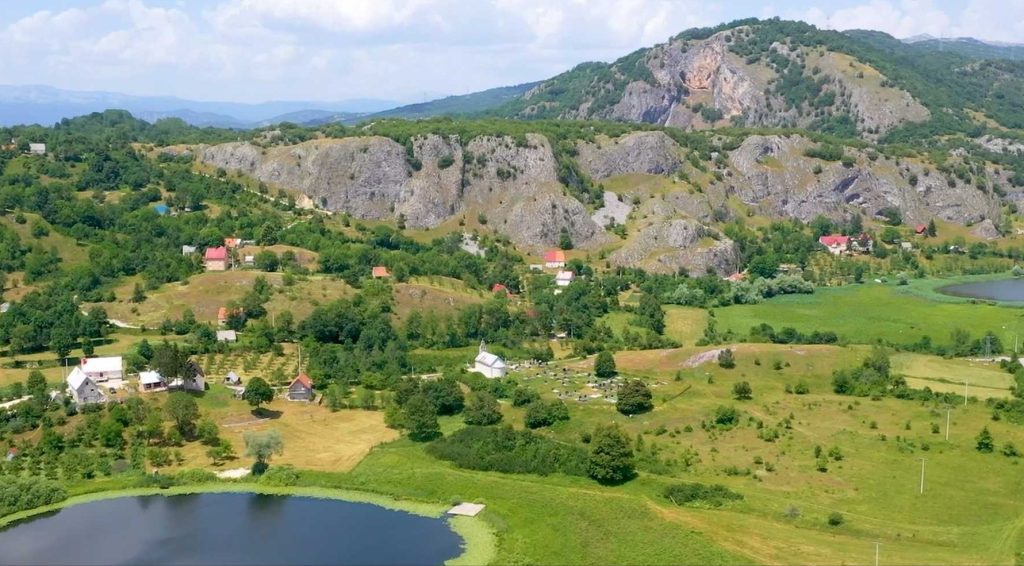
Šavnik is a small rural municipality with strong ties to its landscape and a community-oriented governance structure.
What is your experience with sponge measures so far?
We are building a forward-thinking, GIS-based Flood Resilience Strategy that combines data, action, and community to protect both people and nature. Through advanced risk mapping, a clear action plan, and a scaling roadmap, we’re laying the groundwork for long-term, adaptable flood protection. From bioswales and reforested slopes and riverbanks to small wetland retention areas, we’re implementing targeted, effective Nature-Based Solutions (NBS) where they’re needed most.
Through dedicated training and workshops, we’re equipping municipal staff and contractors with the knowledge and tools to lead local adaptation efforts with confidence. With engaging awareness campaigns and opportunities for hands-on participation, we’re inviting residents to be part of the solution, restoring ecosystems and building pride in a more resilient landscape.
Who is behind this initiative?
The Municipality of Šavnik. Šavnik is a small rural municipality with strong ties to its landscape and a community-oriented governance structure. The local administration is experienced in development coordination and is committed to climate resilience and is collaborating with civil society, engineers, contractors, and academia, ensuring a broad base of support for green transformation
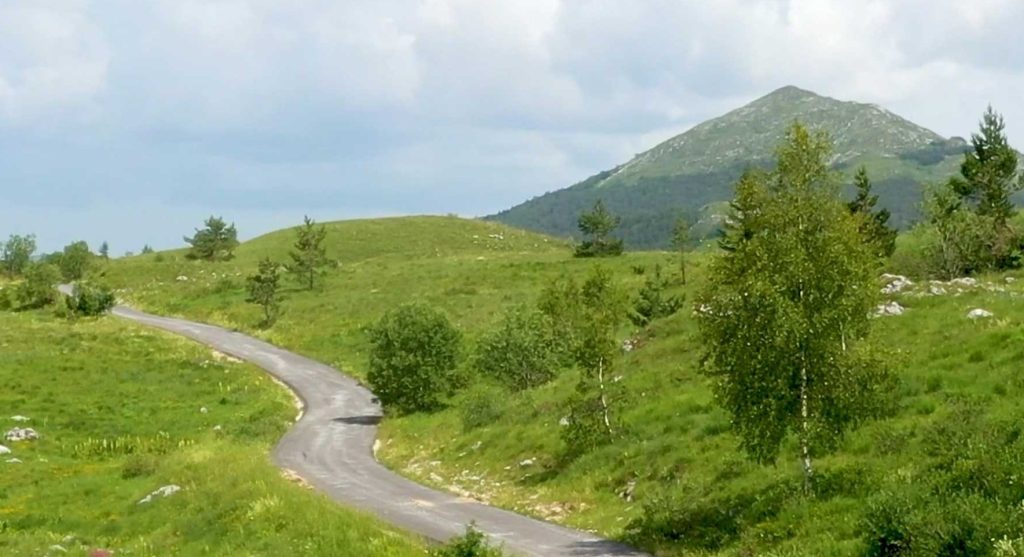
The community has a high flood risk due to natural terrain and legacy of unsustainable land use (e.g., deforestation, poor riverbed maintenance).
Why is this project important beyond your region?
In the face of climate extremes, we need smarter ways to retain water in the landscape and sponge measures offer just that. But knowing what to do, where, and with whom makes all the difference. See real-life examples of sponge measures, from natural wetlands to smart land-use practices, that show what’s possible. Access the knowledge needed to identify the right measures for the right places—and understand their potential impact on water systems, soil health, and climate resilience go beyond isolated interventions. Embrace a holistic approach where sponge measures work together across the river basin, amplifying impact and restoring balance.
Learn how to bring farmers, communities, water authorities, and policymakers on board, turning individual efforts into a collective sponge strategy. These insights and strategies offer a transferable model, ready to inspire and guide other regions in Belgium and Europe in implementing their own sponge solutions tailored to local needs.
The SpongeWorks project has received funding from the European Union’s Horizon Europe research and innovation programme under grant agreement No 101156116 and from the UK Research and Innovation/HM Government. The project runs from 1 September 2024 to 31 August 2028.
Views and opinions expressed are those of the author(s) only and do not necessarily reflect those of the European Union or the granting authority, the European Climate, Infrastructure and Environment Executive Agency (CINEA). Neither the European Union nor the granting authority can be held responsible for them.