


Why did a region in Belgium decide to become part of Spongeworks in its efforts to change the way they manage water, land, and people in a changing climate?
We spoke with Els Belmans, Policy Officer at the Flemish Land Agency to find out.
What sparked your project?
Climate change is reshaping Flanders with increasingly frequent and intense rainfall events, followed by longer periods of water scarcity. These extremes put growing pressure on both people and the environment. With Flemish open space dominated by intensive agriculture, the land is already stretched thin—leaving little room for water to infiltrate and nature to rebound. The ongoing conversion of natural land into paved surfaces further reduces the landscape’s ability to absorb water, store carbon, and regulate climate—making the region more vulnerable to floods, droughts, and ecological decline.
Poor surface and groundwater quality is putting ecosystems and human health at risk. Biodiversity is in decline, as habitats shrink and natural balance is lost. Soil conditions are deteriorating, reducing agricultural productivity and long-term land health. Meanwhile, climate uncertainty and shifting land use demand a smarter, more adaptive response. Yet, existing governmental tools and policies often fall short, struggling to address the complexity of these interconnected threats.
By blending practical experience with scientific research, we create solutions that are not only visionary but grounded in reality. This synergy fuels inspiration, drives progress, and shapes impactful change in water, climate, and sustainability.
Why did you want to join SpongeWorks?
At the heart of innovation lies collaboration. By learning from one another, we spark new ideas, share solutions, and accelerate impact.
Waterlandschap is a groundbreaking program bringing together 33 local coalitions across Flanders—uniting efforts to build a resilient and regenerative future. Each coalition is a collaboration of water managers, farmers’ associations, nature organizations, and local and provincial authorities, working hand in hand to tackle urgent water and land challenges. Backed by a robust €35 million investment, the program is focused on developing and implementing practical, scalable solutions that promote healthy agriculture, a sustainable water system and a robust and climate-resilient landscape. With initiatives reaching across 38% of Flanders’ open space, Waterlandschap is not just a program, it’s a movement to safeguard the region’s future, one collaboration at a time.
We want to explore a range of innovative sponge measures that can restore natural water balance—from wetlands to re-meandered rivers and water-smart farming. By getting the tools and insights to select the most suitable measures for each landscape and to predict their impact on water retention, ecosystems, and communities we want to understand how sponge measures can be woven into a comprehensive river basin approach, turning disconnected actions into a unified strategy for climate resilience. Discover how to mobilize farmers, landowners, water managers, and policymakers to work toward a shared sponge vision—co-creating solutions that hold water where it matters most.
We bring together hands-on experience and cutting-edge research, blending practical insights with scientific expertise to create solutions that are both grounded and forward-thinking. Together, we don’t just exchange knowledge, we co-create inspiration for a more resilient, sustainable future.
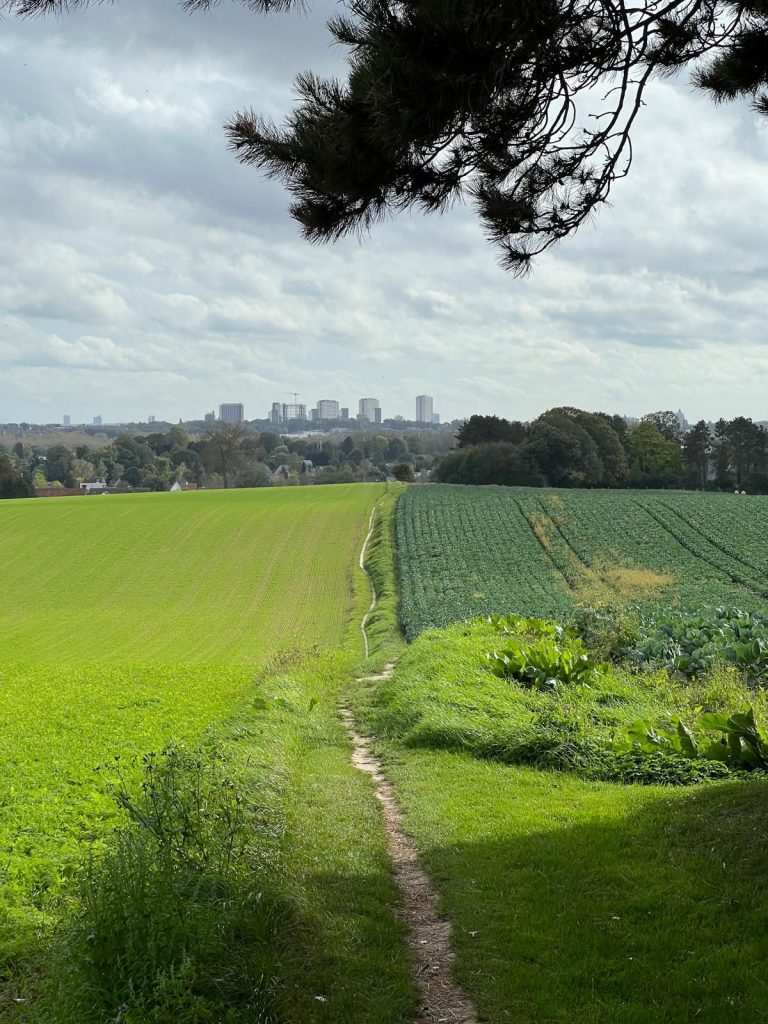
Re-meandering rivers, buffer strips and level controlled drainage are but some of the sponge measures that the region has introduced.
What is your experience with sponge measures so far?
We have been implementing a diverse set of Nature-based Solutions across landscapes rang from re-meandering rivers, reconnecting winter beds, and restoring streams that help bring natural flow back to waterways, to the creationg of habitats for wildlife with the establishment of small ponds and wetlands enhancing biodiversity, supporting water retention, and providing natural buffers against climate extremes.
Through the introduction of buffer strips, grasslands, level-controlled drainage, and water-efficient crops, farmers have become part of a forward-looking strategy that protects soil, saves water, and supports sustainable food production.
Who is behind the project?
The Flemish Land Agency is the program lead for the Waterlandschap and Spongeworks projects. However, all developments are carried out in close cooperation with many partners. The program team consists of a combination of government and scientific organizations. Practical field knowledge is incorporated through regular meetings with local area coalitions.
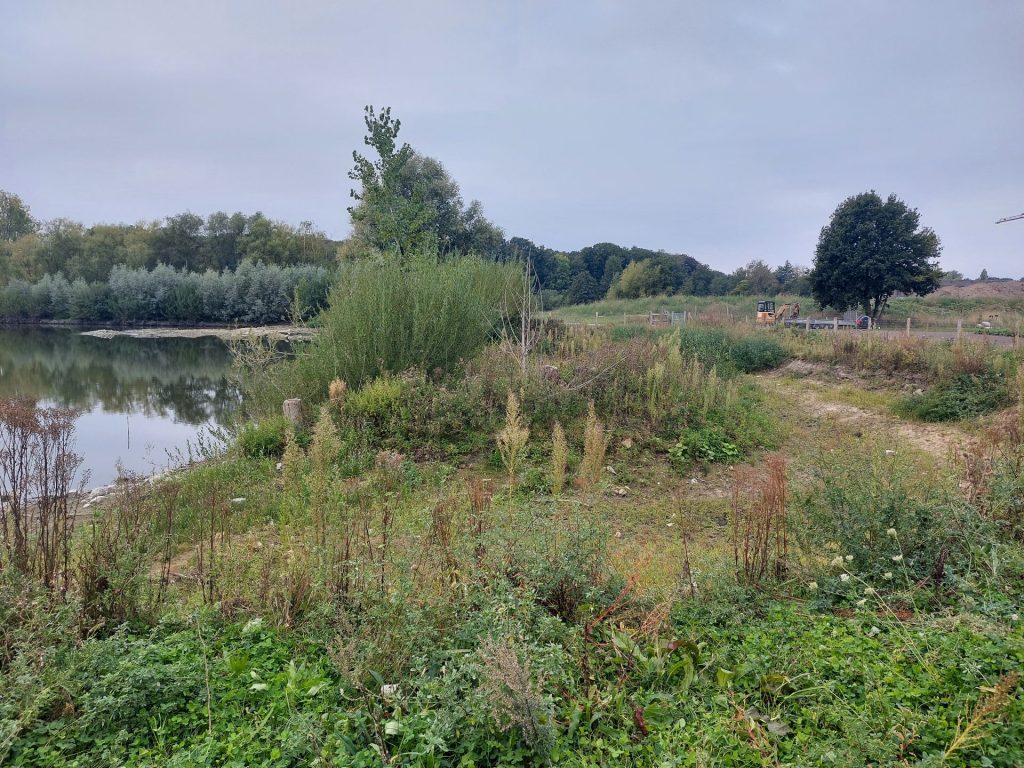
The Flemish Land Agency aims to explore a range of innovative sponge measures that can restore natural water balance—from wetlands to re-meandered rivers and water-smart farming.
Why is this project important beyond your region?
In the face of climate extremes, we need smarter ways to retain water in the landscape and sponge measures offer just that. But knowing what to do, where, and with whom makes all the difference. See real-life examples of sponge measures, from natural wetlands to smart land-use practices, that show what’s possible. Access the knowledge needed to identify the right measures for the right places—and understand their potential impact on water systems, soil health, and climate resilience go beyond isolated interventions. Embrace a holistic approach where sponge measures work together across the river basin, amplifying impact and restoring balance.
Learn how to bring farmers, communities, water authorities, and policymakers on board, turning individual efforts into a collective sponge strategy. These insights and strategies offer a transferable model, ready to inspire and guide other regions in Belgium and Europe in implementing their own sponge solutions tailored to local needs.
The SpongeWorks project has received funding from the European Union’s Horizon Europe research and innovation programme under grant agreement No 101156116 and from the UK Research and Innovation/HM Government. The project runs from 1 September 2024 to 31 August 2028.
Views and opinions expressed are those of the author(s) only and do not necessarily reflect those of the European Union or the granting authority, the European Climate, Infrastructure and Environment Executive Agency (CINEA). Neither the European Union nor the granting authority can be held responsible for them.