

As climate change accelerates, Southwest Finland is one of the 8 Associated Regions to have joined SpongeWorks aiming to learn and share best practices for catchment-scale water management, especially in a Finnish context, where efforts are often decentralized and rely heavily on voluntary cooperation.
We spoke with Katariina Yli-Heikkilä, environmental specialist at the Regional Council of Southwest Finland, to understand what this means for the region.
What sparked your project?
In one of Finland’s most densely populated regions, where agriculture dominates the landscape, the impacts of land use are becoming increasingly visible, and urgent.
Every year, algae blooms disrupt the Archipelago Sea and broader Baltic Sea, threatening not just marine ecosystems, but also fishing livelihoods, tourism, and local economies. These blooms are a direct consequence of nutrient runoff, a key driver of eutrophication, which also contributes to increased greenhouse gas emissions from coastal areas.
As climate pressures mount, we decided that we had to join an international community of experts in our efforts towards climate resilience and further explore our options for integrated land and water management, and Nature-based Solutions that protect both people and planet.
What inspired “Sponge Enough?” to join SpongeWorks?
For us, joining SpongeWorks is a unique opportunity to learn how other SpongeWorks countries are tackling river basin challenges, what innovative methods could strengthen our own strategies and where does the Archipelago Sea stand today and how we can build a more climate-resilient ecosystem and community.
As we move toward implementing the EU Nature Restoration Law, now is the time to bring sponge measures into focus — placing landowners and local stakeholders at the center of the conversation.
Our region sits in the boreal heart of Europe with rather distinct climate and biophysical, compared to the rest of Europe. We are thus bringing a unique perspective to the SpongeWorks project, one shaped by cold winters, clay-rich soils, limited freshwater resources, and a rich tapestry of agricultural and forest landscapes.
While the climate here is cold, it’s changing fast — with milder, rainier winters becoming the new normal. These evolving conditions make the region an ideal testbed for understanding how sponge measures can adapt and perform under pressure.
Working meticulously for many years now at the grass roots level, we have established a deep connection with local landowners and municipalities which has cultivated a strong community engagement culture in water-smart solutions.
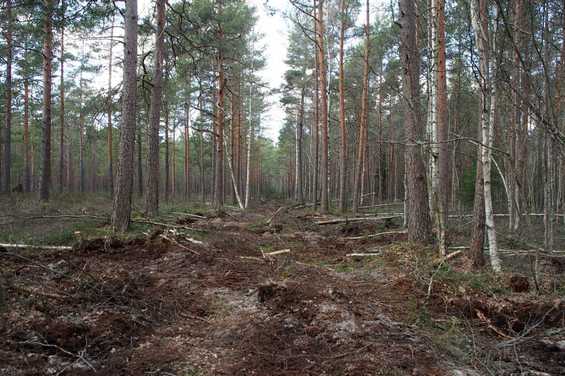
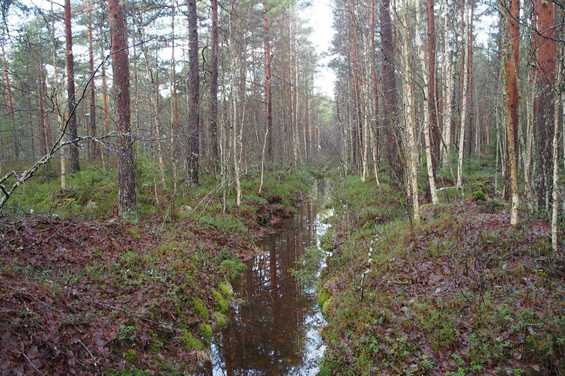
SouthWest Finland is already implementing a wide range of Nature-based Solutions. Leto peatland. Before and after restoration.
What is your experience with sponge measures so far and how do you expect to upscale them through SpongeWorks? Are you “Sponge Enough”?
Several catchment restoration initiatives and plans are being implemented but there is always room for improvement. We asked ourselves “Are we Sponge Enough”?
As part of the regional response to climate and water challenges, Southwest Finland is already implementing a wide range of Nature-based Solutions that form the foundation for a sponge landscape approach. These established measures are supported by existing demonstration sites and funding schemes, enabling tangible progress on the ground. These include peatland, wetland, and stream restoration, enhancing biodiversity and natural water storage, soil conservation techniques such as cover crops and reduced tillage, improving soil structure and moisture retention, buffer strips that filter runoff and reduce nutrient loss to nearby water bodies
However, to fully unlock the region’s potential, emerging measures need greater promotion and support such as re-meandering of straightened watercourses, restoring their natural flow and flood absorption capacity, peatland restoration, vital for both water regulation and carbon storage. Afforestation, which helps manage water and stabilize soils and selecting of water retention structures that could play a strategic role in flood prevention and drought mitigation.
Who is behind the project?
The Regional Council of Southwest Finland (RCSF) and especially its special project unit for sustainable development named VALONIA. We work closely together with the water resources management specialists from the regional state authority the Centre for Economic Development, Transport and the Environment for Southwest Finland (ELY ).

Southwest Finland will take bold steps to transform its landscapes into natural climate buffers, improving water retention, restoring ecosystems, and safeguarding communities.
What kind of impact do you hope to achieve for your region and beyond?
We hope that by boosting the implementation of Sponge measures through SpongeWorks we will be building stronger climate resilience across agriculture, forestry, and local communities. Cleaner waters in the Archipelago Sea through reduced nutrient runoff and eutrophication, thanks to enhanced water management and retention, healthier soils and richer biodiversity through the restoration of wetlands, peatlands, and other degraded ecosystems, a replicable model for integrating sponge measures into regional and catchment-scale planning and innovative solutions as wood-based weirs will also be deployed or tested, offering new tools for sustainable land and water management.
