

A region in Tuscany, together with a plethora of regional and local stakeholders such as municipalities, water authorities and farmers associations is determined to grow resilient ecosystems and landscapes through sponge measures.
We spoke with Agnese Caselli, Administrative and Communications Officer of the Land Reclamation Authority of Coastal Tuscany.
What sparked the GREEN SPONGE – Growing Resilient Ecosystem and LaNdscapes through SPONGE Measures project?
In the face of growing climate pressures, we want to turn the Cornia watershed into a model for resilient, sustainable water management. The region has been facing a series of challenges such as more frequent floods and heavy rainfall storms, a growing water deficit, falling ground water levels with saltwater creeping into groundwater threatening crops, drinking water and soil health while parts of the basin are also slowly sinking.
Through co-designing with local stakeholders, we’re developing an integrated plan built on water-related Nature-Based Solutions (NbS) and innovative hybrid approaches—tailored to the landscape and its people. By enhancing the ecosystem’s natural ability to absorb, store, and manage water, the watershed is becoming more resilient to both flood events and prolonged dry periods. These efforts contribute directly to the long-term environmental, social, and economic sustainability of the region, protecting livelihoods, preserving biodiversity, and securing water for future generations.
Why did you want to join SpongeWorks?
We want to be part of a groundbreaking project that promotes and upscales sponge measures in Europe and beyond!
We very much look forward to gaining technical expertise and learning from proven methods and practical know-how so that we can tackle water challenges with confidence and precision. We want to expand our stakeholder engagement experience and master innovative approaches to collaboration that build trust, aligning interests, and ensuring that all voices help shape the path forward. Above all we are looking for combining technical insight with local knowledge, co-creating long-term, sustainable water management plans that are resilient, adaptable, and ready for the future.
We bring real-world expertise to help face today’s water challenges. From floods to droughts, we offer insights and practical strategies for handling the growing extremes of climate change. Whether it’s technical know-how or administrative experience, we share effective tools, governance models, and lessons learned from managing water systems at the local level.
What is your experience with sponge measures so far?
We have implemented a Managed Aquifer Recharge (MAR) facility for controlled groundwater recharge in the municipality of Suvereto, and river restoration measures have been carried out along the Cornia River in the same area. In addition, retrofitting interventions based on Nature-based Solutions have been designed for the municipalities of Campiglia Marittima and San Vincenzo, and we are currently awaiting confirmation of funding for these projects.
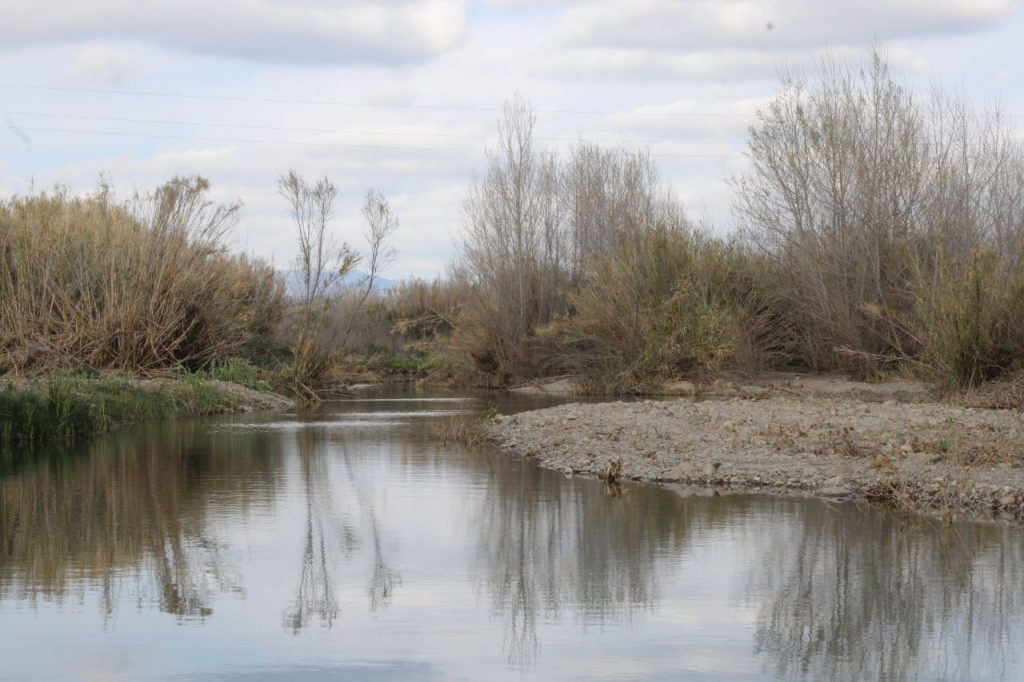
A Mediterranean landscape facing mounting climate pressures: only 400 mm of annual rainfall, a low aridity index (0.4), rising seasonal temperatures, and longer droughts challenge both people and ecosystems.
Who is behind the GREEN SPONGE?
This participatory process, activated through the Cornia River Contract, has brought together about 70 stakeholders, including municipalities, regional authority offices, the water utility, farmer unions, and environmental associations. It is coordinated by the Land Reclamation Authority of Coastal Tuscany in collaboration with the municipalities of Campiglia Marittima, Suvereto, and Piombino.
The Cornia River Contract was one of the two pillars of the LIFE REWAT European project and was officially signed in 2022. It initiated the first Action Plan, which has been implemented and is now in the post-monitoring phase. We are currently restarting the participatory process to activate the second Action Plan under the River Contract.
Why is this project important beyond your region?
The Cornia watershed is not just adapting, it’s leading by example. Across both urban and rural areas, we’re putting sponge measures into action smart, nature-based solutions that help the land absorb, store, and manage water more effectively. These measures strengthen the local ecosystem’s ability to cope with extremes, making communities safer, landscapes healthier, and water more reliable even in the face of climate change.
The success of this approach is captured in our Transition Plan—designed not just for one region, but to be replicated and adapted in other areas facing similar challenges. This work directly supports the EU’s vision for climate adaptation, offering practical, scalable solutions for a greener, more resilient future across Europe.
The SpongeWorks project has received funding from the European Union’s Horizon Europe research and innovation programme under grant agreement No 101156116 and from the UK Research and Innovation/HM Government. The project runs from 1 September 2024 to 31 August 2028.
Views and opinions expressed are those of the author(s) only and do not necessarily reflect those of the European Union or the granting authority, the European Climate, Infrastructure and Environment Executive Agency (CINEA). Neither the European Union nor the granting authority can be held responsible for them.
